Leg cramps at night: why they happen and how to ease them
Short answer
To stop a leg cramp at night, straighten your leg and pull your toes up towards your shin. Rubbing the muscle or standing on that leg may also help. Night cramps are common and usually harmless, and daily calf stretches may help prevent them. See a doctor if cramps keep waking you. Pain and swelling in one leg needs a doctor the same day.
How do I stop a leg cramp right now?
Most cramps pass on their own, but these may help:
- Stretch it. Straighten your leg and pull your toes up towards your shin. For a cramp in the front of the thigh, hold a chair and gently pull that foot up towards your bottom.
- Rub it. Massage the hard, tight muscle with your hands.
- Stand on it. Switch on a light first and hold on to the bed or a chair. Then put your weight on that leg, press your foot into the floor and walk around a little.
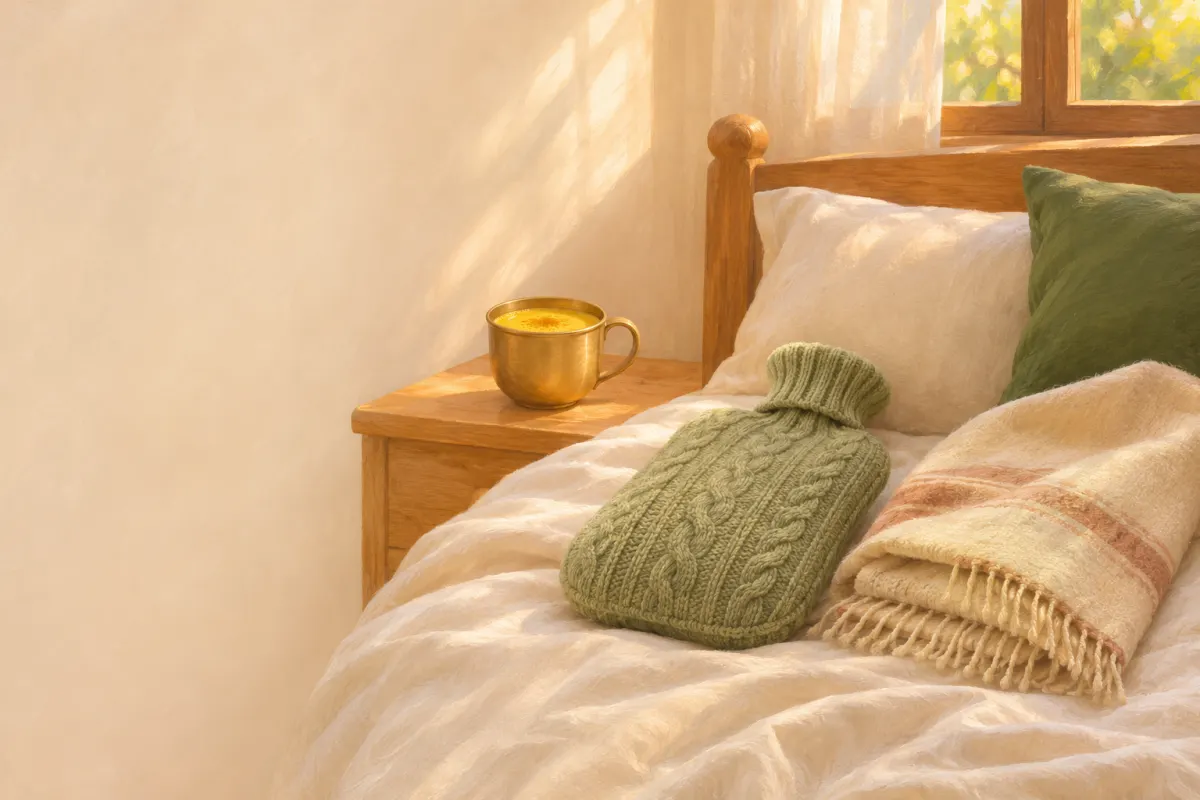
- Use warmth first. A warm bath or a hot water bag wrapped in a towel can help the muscle relax. Keep it warm, not hot. Once the pain has settled, a cold pack wrapped in a cloth may help with soreness.
Painkillers such as paracetamol work too slowly to help during a cramp, but they may ease the soreness afterwards. Ask a pharmacist which painkiller suits you, especially if you take other medicines or have a long-term condition. If you are pregnant, check with your doctor before taking any painkiller.
Why do my legs cramp at night in bed?
A night cramp is a muscle, usually in the calf, that suddenly tightens on its own and will not let go. It can last from a few seconds to about 10 minutes, and the muscle may stay sore for up to a day. Many people call it nas chadna.
Often there is no clear reason. Things that make night cramps more likely include:
- Age. Tendons, the cords that join muscle to bone, shorten as you get older.
- Your day. Long hours sitting at a desk or in traffic, standing on hard floors, or a hard workout, especially in hot, humid weather.
- Not drinking enough fluids.
- Pregnancy, usually in the later months.
- Some medicines, such as statins for cholesterol and water tablets (diuretics). Never stop a prescribed medicine on your own; ask your doctor.
- Heavy drinking, including liver disease caused by alcohol.
Less often, cramps are linked with kidney failure, an underactive thyroid, nerve damage from diabetes or poor blood flow in the legs.
How can I stop leg cramps coming back at night?
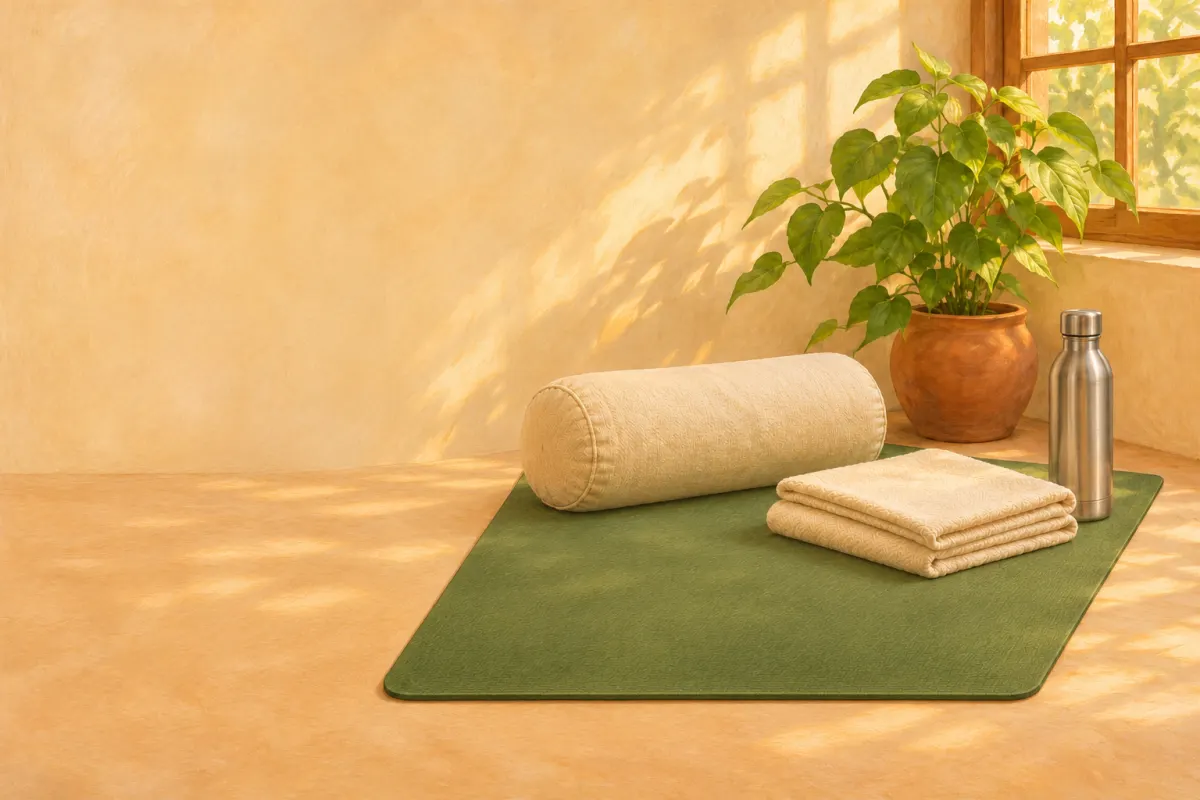
Regular calf stretching may cut down cramps, though it may not stop them completely. Try this wall stretch:
- Stand facing a wall, about an arm's length away, with your feet flat on the floor.
- Lean forward with your hands on the wall until you feel your calves stretch. Hold for a few seconds, then stand up straight again.
- Repeat for about 5 minutes, 3 times a day, with the last round just before bed.
Other habits that may help:
- Break up long spells of sitting at a desk or on a commute with a short walk.
- Keep evening exercise gentle, such as a short, easy walk before bed.
- Wear supportive footwear if you stand for hours.
- If you sleep on your back, keep your toes pointing up. If you sleep on your front, let your feet hang over the end of the bed.
What deficiencies cause leg cramps at night?
Low levels of some minerals, such as sodium, potassium, calcium and magnesium, can make cramps more likely. So can losing fluid through heavy sweating, vomiting or loose motions. But most cramps happen without any clear cause.
A real shortage of magnesium can bring on cramps. But trials have not shown that magnesium supplements prevent night cramps in older adults. The guide on the best time to take magnesium explains the research.
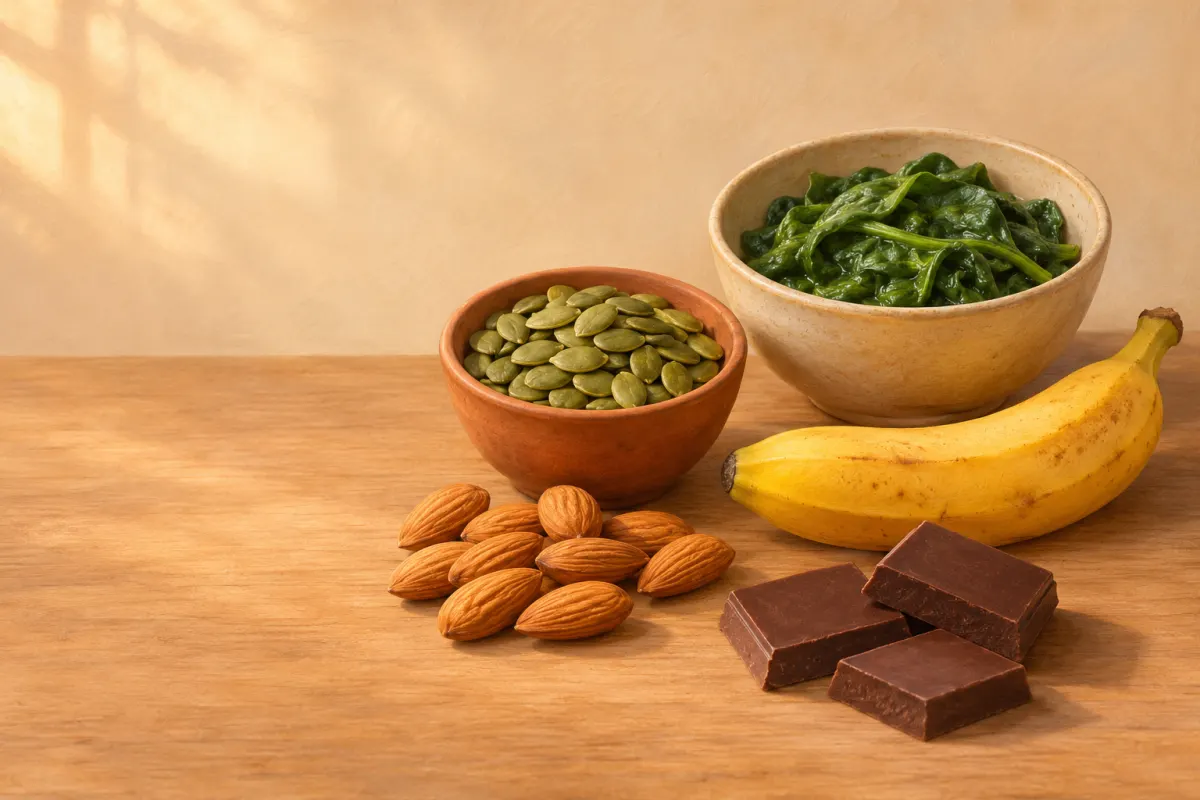
Eat a varied diet and drink enough water through the day. If cramps are frequent, ask a doctor whether a blood test makes sense. Bananas and oranges are good sources of potassium. If you have kidney disease, ask your doctor before eating more potassium-rich foods or taking any supplement with potassium in it.
When should I worry about leg cramps at night?
An ordinary cramp comes on suddenly, the muscle feels hard, and it eases within minutes. Some other problems can feel like a cramp but need a doctor:
- A blood clot in a leg vein, called deep vein thrombosis (DVT). Look for throbbing pain in one leg, usually the calf or thigh, with swelling, red or darkened skin, or swollen veins. The risk is higher after surgery, a hospital stay or a journey of more than 4 hours. It is also higher in pregnancy and the 6 weeks after giving birth.
- Narrowed leg arteries, which reduce blood flow to the legs. The pain can feel like cramp, aching or burning in the calves when you walk, and goes away after a few minutes of rest. Cold feet, shiny skin or sores that do not heal can come with it.
Also see a doctor if cramps show up in other muscles too.
What will a doctor check for night leg cramps?
A doctor will usually examine your legs and ask how often the cramps come, how long they last and which muscles they affect. Expect questions about pregnancy, exercise, alcohol, recent vomiting, loose motions or heavy sweating. Carry a list of every medicine you take.
There is no single test for cramps, but the doctor may suggest:
- blood tests for calcium, potassium and magnesium
- kidney function and thyroid function tests
- a urine test
- a test that compares the blood pressure at your ankles and arms, if poor blood flow in the legs is suspected
Treatment depends on the cause, such as stretching or changing a medicine that brings on cramps. If stretching has not helped, a doctor may consider a prescription medicine called quinine. It has risks and side effects and is not suitable for everyone, so never take it for cramps without a doctor's advice.
In the clinic's Shop
The clinic stocks these products for people who ask about this concern. They are not a treatment for any disease and do not replace a doctor's advice. Check with a doctor before you start one, especially if you take other medicines, are pregnant or breastfeeding, or have a long-term health condition.
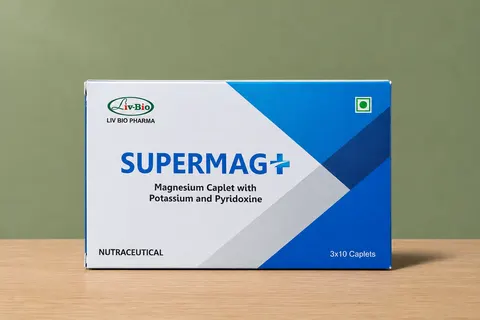
Questions people ask
What should I drink before bed to stop leg cramps?
No drink has been shown to stop night cramps. What matters more is drinking enough water through the day, more on hot days or after sweating, and cutting down on alcohol, chai and coffee. After heavy sweating or a long game, water alone may not be enough, and a drink that also replaces salts can help. If you have been told to limit fluids or salt, ask your doctor first.
Are leg cramps at night common in pregnancy?
Yes, especially in the later months. Research on magnesium for cramps in pregnancy is unclear, so do not start any supplement without asking your doctor. Pain and swelling in one leg during pregnancy or soon after delivery is different: it can be a blood clot and needs a doctor the same day.
Can leg cramps be a sign of something serious?
Most night cramps are not a sign of disease. Sometimes frequent cramps go with another health problem, such as heart failure, liver disease or kidney failure. Rarely, cramps can be a sign of a disease of the nerves that control muscles, such as ALS (motor neuron disease). New, frequent cramps, or cramps with numbness or swelling, deserve a check-up.
Do I need tablets for leg cramps at night?
Most people need only stretches and better daily habits. Magnesium supplements are popular, but the research does not show a clear benefit for night cramps. Before starting any supplement, talk to a doctor if you are pregnant, take regular medicines, or have a long-term kidney, liver or heart problem.
This guide is general information, not medical advice, and it has not yet been reviewed by a doctor. It does not replace a consultation. If you are unwell, worried or unsure, please see a doctor.
Sources
- Leg cramps - NHS
- Muscle cramps: MedlinePlus Medical Encyclopedia
- Leg Cramps at Night: Causes, Pain Relief & Prevention - Cleveland Clinic
- Magnesium for skeletal muscle cramps - Cochrane Database of Systematic Reviews (2020)
- DVT (deep vein thrombosis) - NHS
- Peripheral arterial disease (PAD) - NHS
- Arterial embolism: MedlinePlus Medical Encyclopedia
- Rhabdomyolysis: MedlinePlus Medical Encyclopedia