Acidity that keeps coming back: causes and what helps
Short answer
Acidity that keeps coming back can often be eased a lot, and for some people it settles for good once they find and change what sets it off. Smaller, earlier dinners, less fried and spicy food, less coffee and alcohol, and raising the head end of your bed may help. If you need acidity tablets most days, see a doctor.
Can acidity go away permanently?
Sometimes, yes. Acidity, the burning feeling in the chest or upper stomach that often comes with a sour taste, usually has a trigger, such as a large or late dinner, fried or spicy food, or lying down soon after eating. Change the trigger and it often settles.
When acid comes up week after week, doctors call it gastro-oesophageal reflux disease (GERD), and for many people it is long-lasting. Habits and medicine can ease it a great deal but may not switch it off, so the honest aim is to keep it well controlled rather than to get rid of it once and for all.
Some causes can be dealt with directly: a doctor can prescribe antibiotics and acid-reducing medicine for H. pylori, a stomach infection that can cause acidity. Be wary of any product that promises to end acidity permanently.
Why does acidity keep coming back?
Acidity keeps returning while whatever pushes acid upwards is still there. Usually it is a mix of these:
- Daily habits: big meals, late dinners, and lying down or bending soon after eating.
- Food and drink: fried and fatty food, spicy dishes, tomatoes, citrus fruit, chocolate, peppermint, coffee, fizzy drinks and alcohol. Each person's triggers are different.
- Your body: being overweight, pregnancy, or a hiatus hernia, when part of the stomach moves up into the chest.
- Smoking, stress and anxiety.
- Some medicines, including painkillers such as ibuprofen or aspirin, iron tablets, some bone-strengthening tablets, and some blood pressure, asthma and antidepressant medicines. Do not stop a prescribed medicine on your own; ask your doctor whether it could be playing a part.
How do I reduce acidity quickly at home?
When acidity flares, sit or stand upright and loosen a tight waistband. A pharmacist can suggest an antacid, which neutralises acid, or an alginate, which forms a barrier against acid rising into the food pipe. They work best with a meal or soon after it.
The trap with acidity that keeps returning is the daily tablet. These medicines calm the burning for a few hours but leave the reason untouched.
- Ask first if you have kidney, liver or heart disease, need to limit salt, or are pregnant. Some antacids are not suitable, and some contain a lot of sodium.
- Keep them apart from other tablets. Antacids can change how well other medicines work, so leave a gap of 2 to 4 hours.
- Needing one most days is a sign to see a doctor.
What can I change so acidity comes back less often?
These habits are safe for most people:
- Eat smaller meals, more often if you need to, rather than one heavy plate.
- Leave 3 to 4 hours between dinner and bed. After a long commute this takes some planning.
- Raise the head end of your bed by about 10 to 20 cm, with wooden blocks or bricks under the legs, so your chest sits higher than your waist. Piling up pillows is not the same: it folds you at the middle and squeezes your stomach.
- Keep a food and symptom diary to find your own triggers, whether that is the evening chai, fried snacks or a spicy curry.
- Lose weight if you are overweight, cut down on alcohol, stop smoking, and make time to unwind.
Can jeera, fruit or curd reduce acidity?
Food helps mainly by not adding to the problem; no single food or drink has been shown to stop acidity.
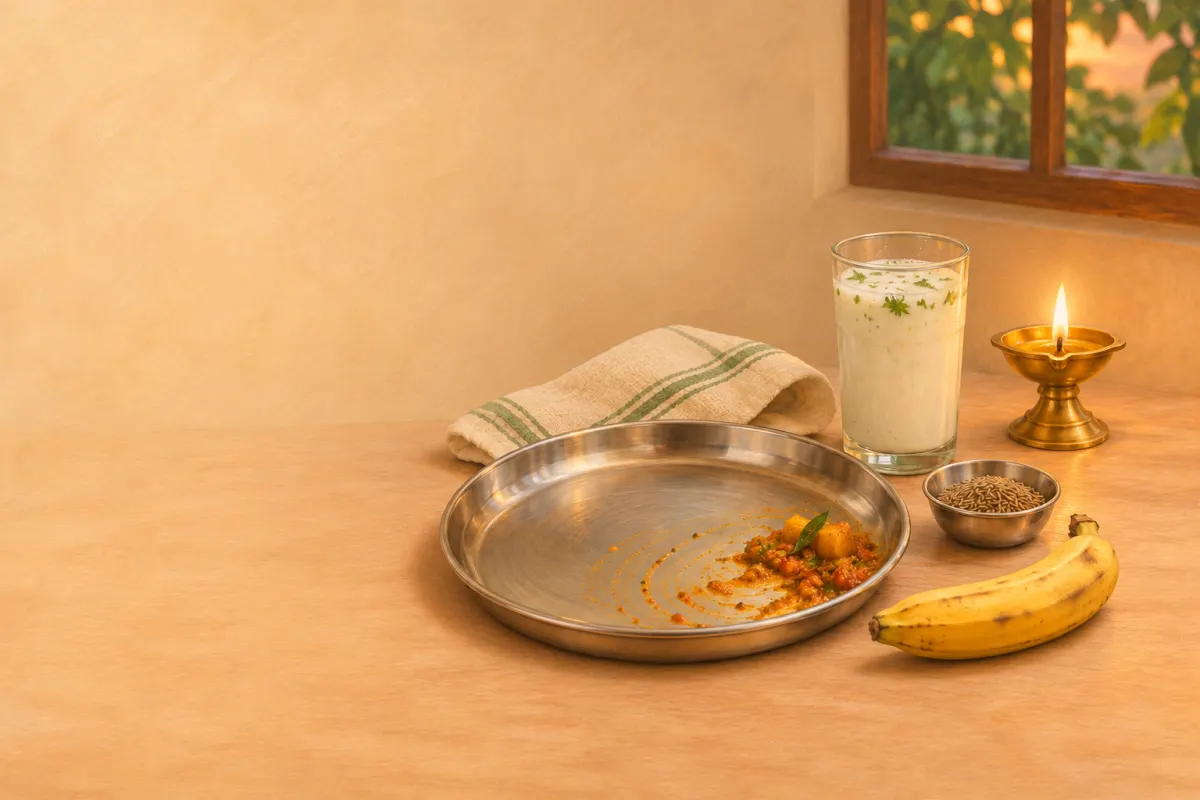
- Jeera (cumin) water is a common home remedy. It is a traditional choice, not a proven one, so keep to kitchen amounts.
- Fruit. Less acidic fruit, such as bananas, melons and berries, is less likely to set off acid. Oranges, mosambi, lemons and tomatoes can trigger it in some people.
- Curd and buttermilk. Lower-fat dairy, such as thin buttermilk (chaas), is easier to digest, and some people find it soothing, though buttermilk after meals is a tradition rather than a proven remedy. Full-fat dairy digests more slowly and can trigger reflux in others.
Meals built around vegetables, dal, whole grains and leaner protein such as fish, chicken or egg whites, grilled rather than fried, tend to be gentler than fried snacks and rich gravies.
Is it safe to take acidity tablets every day?
Acidity tablets are easy to buy, so it is easy to slip into taking one every morning for months. Check with a doctor instead.
- Antacids are for short-term relief, not daily use over long periods.
- Proton pump inhibitors (PPIs), such as omeprazole, lower the amount of acid the stomach makes. A doctor may prescribe one for 4 or 8 weeks, sometimes longer. Without a doctor's advice, do not take one for more than 2 weeks.
- Rare but serious side effects of PPIs include a very low vitamin B12 level and weaker bones. PPIs can also hide the signs of a more serious problem.
Rarely, years of reflux change the lining of the food pipe, and signs such as weight loss or food sticking can point to a growth that needs checking early. If a doctor has prescribed a PPI, do not stop it on your own; ask at your next visit whether you still need it.
When is acidity a reason to see a doctor?
Even without the warning signs listed on this page, acidity that keeps returning deserves a proper check, because over time acid can inflame the food pipe and leave it scarred and narrowed.
Take a list of every tablet you use, including painkillers and acidity tablets from the chemist. The doctor will ask about your meals, sleep, weight, alcohol and smoking, and often starts with habit changes and a course of acid-reducing medicine. If that does not help, they may suggest a test for H. pylori, or a gastroscopy (endoscopy), in which a slim camera passed through the mouth shows the food pipe and stomach.
Questions people ask
Which tablet is good for acidity?
For occasional acidity, a pharmacist can suggest an antacid or alginate and explain how to take it. If you need something on most days, see a doctor, who may prescribe an acid-reducing medicine for a set time and look for a cause such as H. pylori. Mention any pregnancy, kidney or heart disease and other medicines you take, since some antacids are unsuitable or need spacing from other tablets.
Does stress cause acidity?
Stress and anxiety are among the things that can bring on or worsen heartburn. Stress also changes habits: skipped meals, late dinners, more coffee or more cigarettes. Regular meal times, enough sleep and some daily time to unwind may help. If stress or low mood is with you most of the time, talk to a doctor.
I have acidity and gas together. Why?
They often travel together. Acid reflux itself can bring bloating and a sick feeling, and the same habits feed both: big or rich meals, fizzy drinks, and lying down soon after food. So the same changes, such as smaller meals, an earlier dinner and fewer fizzy drinks, often ease both. If both are new or constant, see a doctor.
Can acidity cause chest pain?
Yes. Acid in the food pipe can cause chest pain that feels very like heart pain, so the two cannot be told apart safely at home. If chest pain is new or severe, comes with breathlessness, or spreads to your arm, neck or jaw, call 112 straight away. The related guide on heartburn and sour burps explains the differences.
This guide is general information, not medical advice, and it has not yet been reviewed by a doctor. It does not replace a consultation. If you are unwell, worried or unsure, please see a doctor.
Sources
- Heartburn and acid reflux - NHS
- Antacids - NHS
- Omeprazole: a medicine to treat heartburn and indigestion - NHS
- Acid Reflux & GERD: Symptoms and Treatment - Cleveland Clinic
- GERD Diet: Foods To Eat and Avoid - Cleveland Clinic
- Symptoms & Causes of Indigestion - NIDDK
- Pre-eclampsia - NHS
- ACG and CAG Clinical Guideline: Management of Dyspepsia - PubMed