Gas problem in stomach and bloating: causes and quick relief
Short answer
To ease a gas problem in the stomach, take a gentle walk, rub your belly and sip warm water or ginger tea; most gas comes from swallowed air and everyday foods and is usually harmless. Eating slowly, smaller meals and less soda may help prevent it. See a doctor if it is new or constant, or comes with pain, bleeding or losing weight without trying.
How can I remove gas from my stomach?
Most gas leaves on its own, by burping or passing wind. When it feels stuck, try these:
- Get moving. A gentle walk after a meal or easy yoga stretches can help gas pass.
- Massage your belly. Rub gently with a flat hand, up your right side, across under your ribs and down your left side.
- Use warmth. A hot water bottle on your belly may help the gut relax. Wrap it in a towel and keep it warm, not hot.
- Do not hold it in. Passing wind, or going to the toilet when you feel the need, releases trapped gas.
Why does my stomach bloat after meals?
You swallow air when you eat and drink, and bacteria in your large intestine make gas as they break down carbohydrates that were not fully digested higher up.
You swallow more air when you eat or drink fast, chew with your mouth open, drink soda and other cold drinks, chew gum, smoke, or wear loose dentures.
Big meals, a late dinner followed by bed and slouching while eating add to it. Fried, fatty food takes longer to digest, so you may feel full for longer. Constipation is another common reason.
Which foods cause gas, and which help?
Foods that are harder to digest fully give gut bacteria more to turn into gas. Common ones include:
- rajma, chana, dal and other beans and lentils
- cabbage, cauliflower and onions
- dried fruit such as raisins, and large glasses of fruit juice
- sugar-free sweets and gum made with sorbitol
- milk, if your gut does not digest lactose (the natural sugar in milk) well
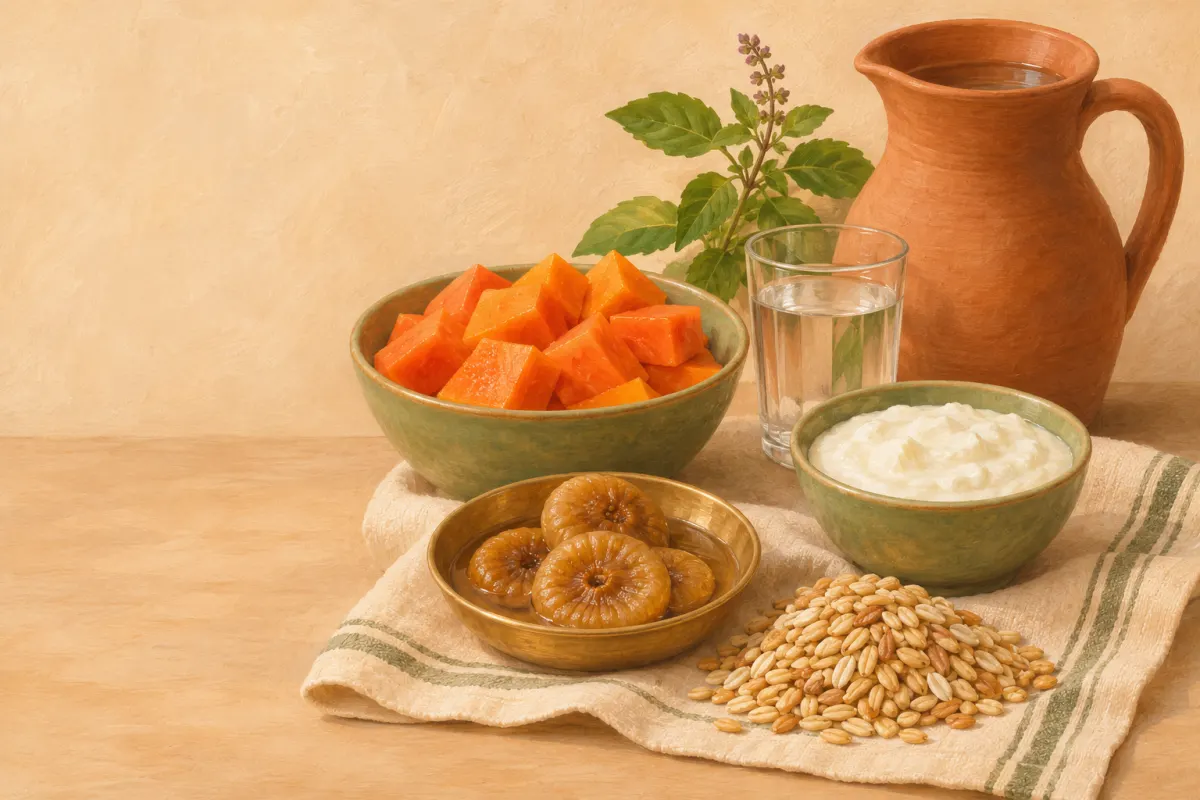
You do not need to give up dal and vegetables. Fibre can cause more gas at first, so add it slowly and drink plenty of water. If you are also constipated, oats or flaxseed (alsi) may help.
Lots of processed, fried, sugary or very spicy food tends to make bloating worse.
What drink removes gas from the stomach?
No drink pulls gas out, but some may ease the discomfort.
- Water. Enough water helps keep food moving along the gut.
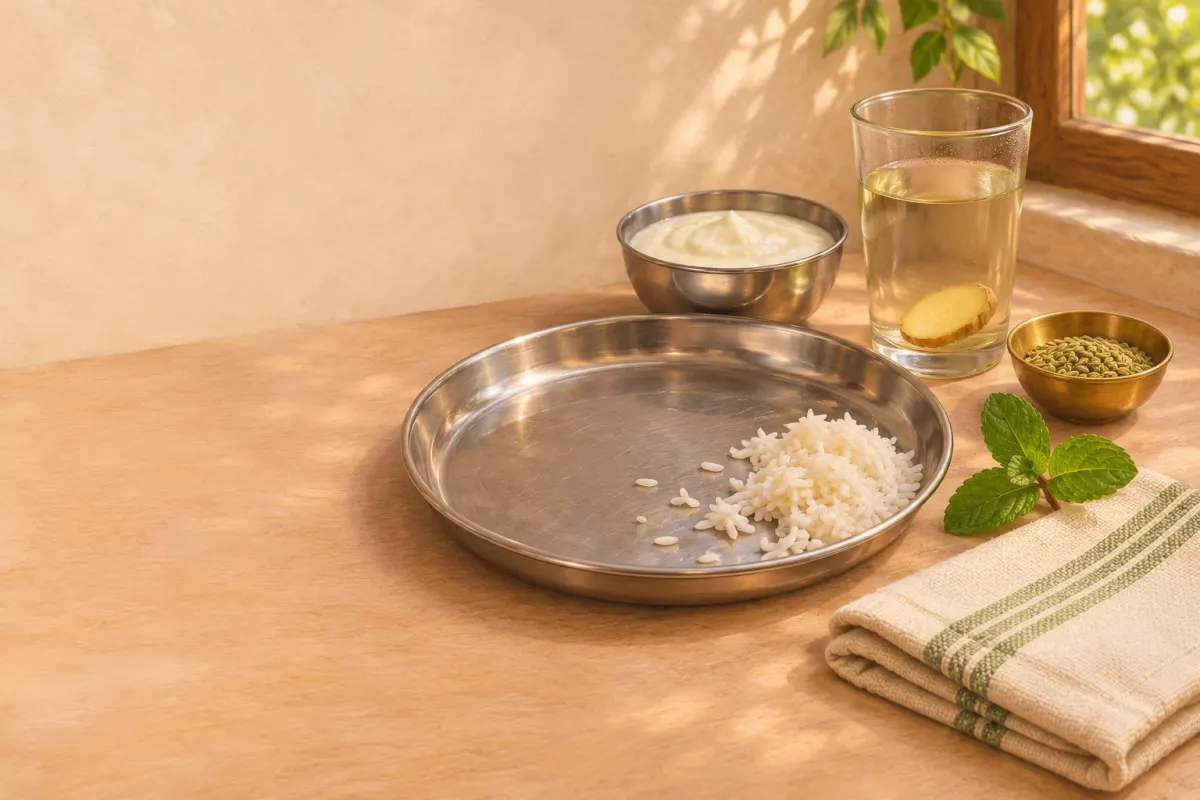
- Peppermint tea. The NHS suggests it for people who pass a lot of wind.
- Ginger tea. Ginger has been linked with less bloating and gas.
If a tea seems to bring on heartburn, switch to plain warm water.
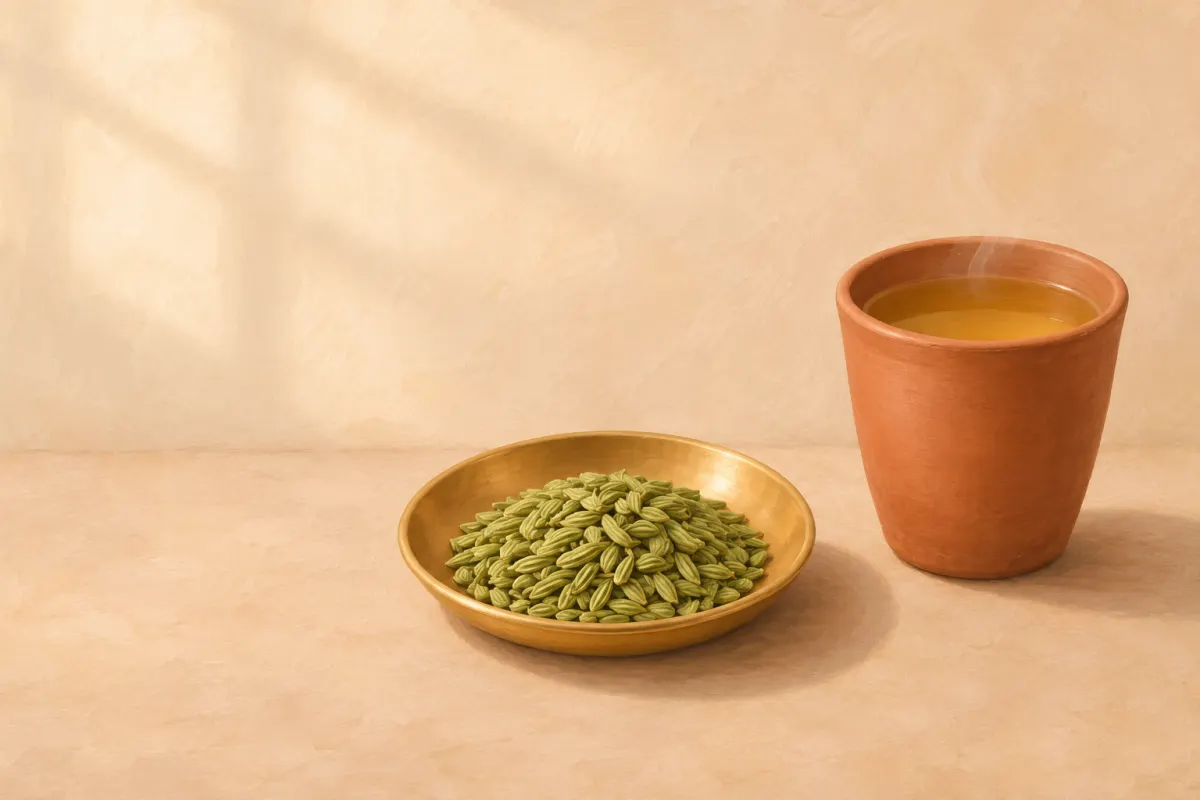
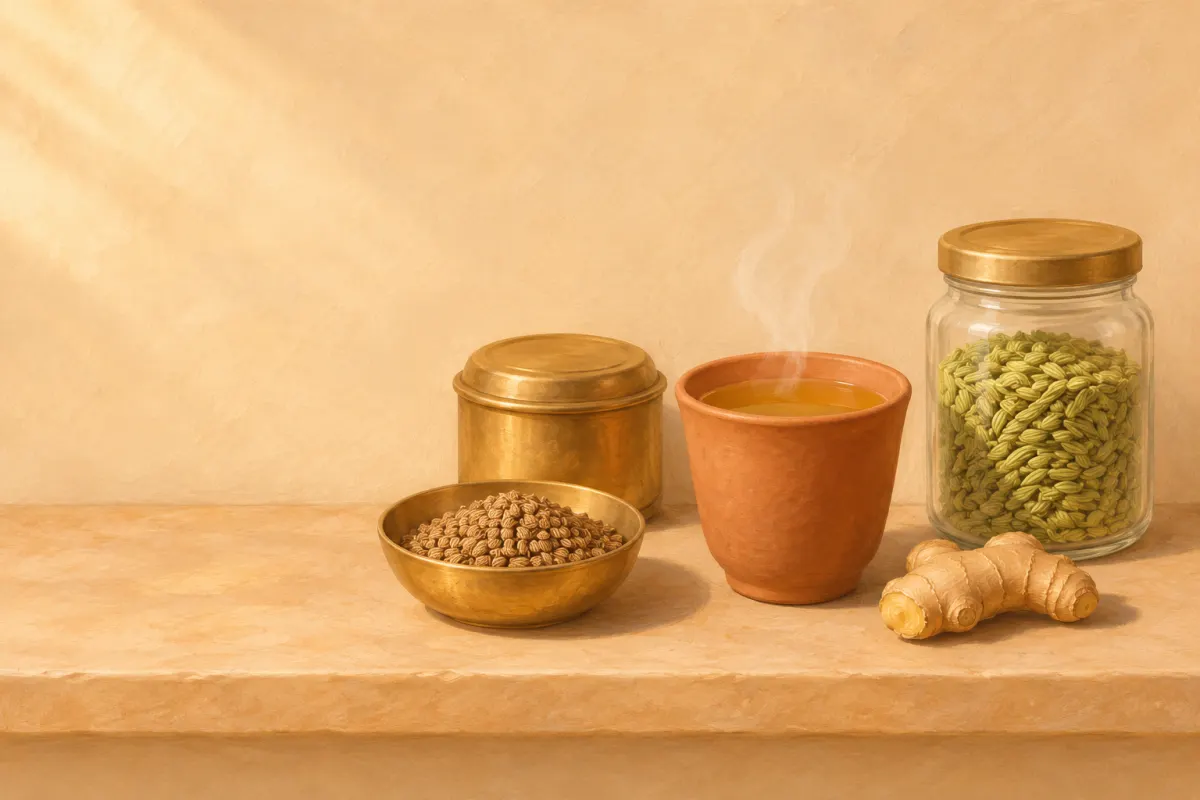
In Ayurveda and many Indian homes, jeera water, ajwain or saunf (fennel seeds) after meals are traditional choices for gas, not proven remedies, so keep to kitchen amounts.
A burp after soda may feel like relief, but soda adds gas. Cut down on soda, alcohol and strong chai or coffee. Check with a doctor before using herbal remedies regularly if you have a health condition or are pregnant.
Why do some women get extra gas and bloating?
Hormones can play a part. Some women feel bloated around their period, in pregnancy, or in perimenopause, the years before menopause.
Estrogen and progesterone, the main female hormones, can speed up or slow down how food moves through the gut, which can mean more gas. Estrogen can also make the body hold on to water, giving a puffy, full feeling. In pregnancy, tell your doctor about any new or severe belly pain.
Bloating that does not go away, or keeps getting worse, can sometimes be a sign of something more serious, including ovarian cancer. If you feel bloated most days, see a doctor rather than waiting.
Can gas cause chest or back pain?
Gas trapped in the upper belly can cause a sharp, jabbing pain or pressure on either side of the chest. It usually follows eating or drinking and eases once you burp or pass wind.
But a heart attack can feel similar, and its signs vary: crushing pain, something like indigestion, or no pain at all. Do not brush chest pain off as gas, especially with:
- pressure or tightness in the chest
- pain spreading to the arm, jaw, neck or back
- a cold sweat, breathlessness, nausea or unusual tiredness
- pain that comes on with effort, like climbing stairs
If you are not sure, call 112 or go to the nearest emergency department.
With back pain, do not assume gas if it is sudden and severe, especially if it spreads from the upper belly to the back, or sits between the shoulder blades with nausea. These can come from the gallbladder, the pancreas or the body's main artery, and need help straight away. Back pain with bloating that keeps coming back needs a doctor's check.
What will a doctor check for gas and bloating?
A doctor will usually ask about your symptoms, when they come, what makes them worse and which medicines you take, so bring a list. A food and symptom diary can show which foods set you off.
After examining your belly, the doctor may suggest:
- blood, urine or stool tests
- a hydrogen breath test, which can screen for some digestive problems
- an ultrasound scan of the belly, if something needs a closer look
These look for causes such as constipation, lactose or other food intolerances, coeliac disease (a reaction to gluten, a protein in wheat), or a longer-term bowel condition a doctor can name and help you manage. A dietitian can help you find trigger foods without cutting out more than needed.
In the clinic's Shop
The clinic stocks these products for people who ask about this concern. They are not a treatment for any disease and do not replace a doctor's advice. Check with a doctor before you start one, especially if you take other medicines, are pregnant or breastfeeding, or have a long-term health condition.
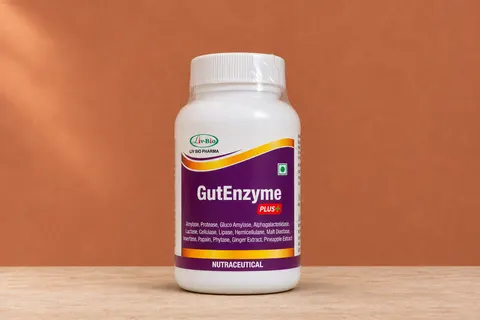
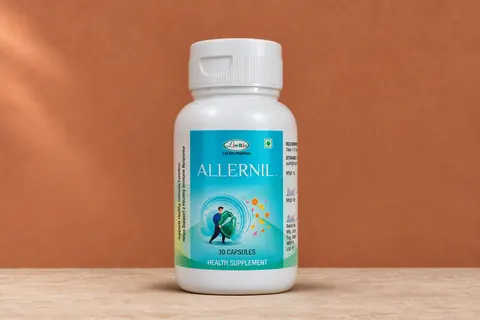
Questions people ask
Is it normal to pass gas many times a day?
Yes. Studies suggest people pass gas 8 to 14 times a day on average, and experts consider up to 25 times a day normal. Burping up to 30 times a day is typical too. Get it checked if it bothers you, changes suddenly, or comes with pain or weight loss.
Why do I get gas after drinking milk or chai?
Milk contains lactose, a natural sugar. If your gut does not digest it well, bacteria in the large intestine turn it into gas. This is lactose intolerance, and it can also bring bloating, stomach pain, loose motions or nausea. Caffeine in strong tea and coffee can add to bloating. A doctor can help confirm a milk trigger before you cut out dairy.
Can my medicines cause gas?
Yes, some can. Wind and bloating can be a side effect of some pain-relief tablets such as ibuprofen, some laxatives, some antifungal medicines, statins, and the diabetes medicine metformin. If you think a medicine is behind your gas, do not stop it or change the dose on your own. Ask the doctor who prescribed it about other options.
Will my gas problem ever go away for good?
For most people, gas comes from everyday habits and foods, so it is something to manage rather than end. Finding your triggers, eating slowly, staying active and easing constipation can make a real difference. Be wary of any product that promises to end gas for good.
Do I need a tablet for gas?
Many people need only changes to food and habits. A pharmacist may suggest an over-the-counter medicine such as simethicone to ease bloating, or tell you when a doctor is the better step. Ask a doctor before starting any supplement if you are pregnant or breastfeeding, take several medicines, have kidney, liver or heart disease, a weakened immune system or a serious illness, or are allergic to pineapple or papaya. If you have diabetes, check the sugar in any syrup.
This guide is general information, not medical advice, and it has not yet been reviewed by a doctor. It does not replace a consultation. If you are unwell, worried or unsure, please see a doctor.