Constipation home remedies for adults (and over-60s)
Short answer
The home remedies for constipation that help most adults are more fibre, more water and other fluids, a daily walk and an unhurried toilet routine. Papaya, soaked raisins, oats, flaxseed and isabgol can help soften stool. Laxatives are for occasional, short-term use. If constipation keeps coming back, lasts weeks or comes with blood, see a doctor.
Which Indian home remedies can help with constipation?
Fibre makes stool bigger and softer, so it is easier to pass. Add it a little at a time so your body gets used to it.
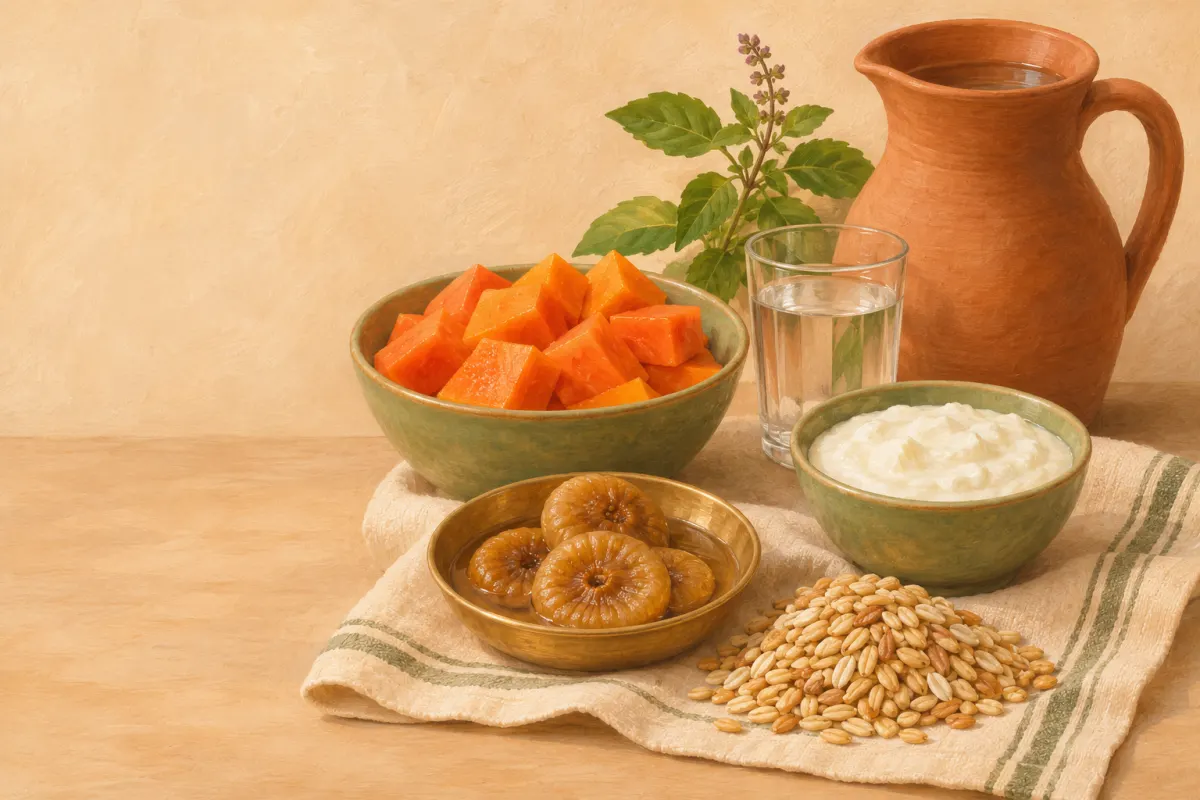
- Fruit: papaya, oranges, an apple with its skin on, prunes (dried plums) and soaked raisins (kishmish). Raisins and apples contain sorbitol, a natural sugar that helps soften stool.
- Whole grains: whole wheat atta, oats, ragi, jowar or bajra in place of some white rice and maida.
- Pulses and vegetables: dal, rajma or chana, and a vegetable or salad with each meal.
- Seeds and husk: flaxseed (alsi), wheat bran or isabgol (psyllium husk), always with plenty of water.
In Ayurveda, triphala, or a little ghee in warm water at night, are traditional choices, not proven remedies. Keep triphala occasional and ask a doctor first if you are pregnant or take regular medicines. Some Ayurvedic products have been found to contain lead or mercury, so buy only from a licensed source.
What drink helps constipation?
Plain water comes first. Not drinking enough is a common cause of constipation, and fibre softens stool only when there is enough fluid to go with it.
- Water and clear soups, such as rasam, all count towards your fluids.
- Tea and coffee count too, and the caffeine helps some people go, but they do not replace water. Keep to your usual cups.
- Cut down on alcohol, which can dry you out.
- Choose whole fruit over juice, so you get the fibre as well.
If a doctor has limited your fluids because of heart or kidney disease, ask before drinking more.
Why does constipation happen again and again?
When constipation keeps returning, everyday habits are usually behind it: low-fibre meals, too little water, long hours of sitting, little exercise and holding in the urge. Travel, night shifts and stress can set it off again.
Also worth checking:
- Medicines and supplements. Iron tablets, antacids with calcium or aluminium, strong painkillers, some antidepressants, water pills and some blood pressure medicines can slow the bowel. Ask your doctor before stopping any prescribed medicine.
- Leaning on laxatives, which brings problems of its own.
- Pregnancy and the weeks after giving birth.
- A medical cause, such as an underactive thyroid, high blood sugar, or pelvic floor muscles that do not relax when you go. A doctor can check for these.
Why is constipation common after 60?
Constipation becomes more common with age, especially after 65. The gut muscles push less strongly, people often move less, and many take medicines that slow the bowel.
- Keep meals regular, with soft fibre such as dal, cooked vegetables, papaya and oats if chewing is hard.
- Offer water and other fluids through the day.
- Walk every day if possible, even a short distance.
- Ask a doctor or pharmacist to review all medicines and supplements.
In an older parent, constipation is easy to miss, and a change in behaviour may be a sign of discomfort. Sudden confusion or drowsiness, though, needs urgent help. Watery stool leaking after days without a proper motion can mean hard stool is stuck low in the bowel, which needs a doctor, not more home remedies.
Hard stool with blood: when should I worry?
Passing a very hard stool can cause piles, which are swollen veins at the back passage, or a small tear called a fissure. Either can leave a little blood on the toilet paper or on the stool.
Even so, do not assume blood is from piles. Any blood in your stool should be checked by a doctor, because the same sign can come from other bowel problems, including bowel cancer, which is easier to treat the earlier it is found. The lists below show which signs need urgent help.
Meanwhile, keep stools soft with fibre and fluids, and do not strain.
When should I use a constipation tablet or syrup?
Try food, fluid, activity and toilet changes first; some people feel better in days, others need weeks. If they are not helping, a pharmacist can suggest a laxative. The main types work differently:
- Bulk-forming ones such as isabgol add fibre to the stool and take up to 3 days to work. They are usually tried first, with plenty of water.
- Osmotic ones such as lactulose syrup draw water into the bowel and take 2 to 3 days.
- Stimulant ones such as senna, including senna-based herbal and Ayurvedic tablets, make the bowel muscles push and work within 6 to 12 hours. They are best kept for when other types have not worked.
Follow the pack, as some stimulant laxatives are meant only once in a while; used often, they can cause cramps and low potassium. Stop any laxative when things improve, do not use one bought without a prescription for more than 7 days, and see a doctor if 3 days have not helped. Ask first if you are pregnant or breastfeeding, have heart or kidney disease or a long-term bowel condition, have trouble swallowing, or take strong painkillers, water pills, heart medicines or several regular medicines.
In the clinic's Shop
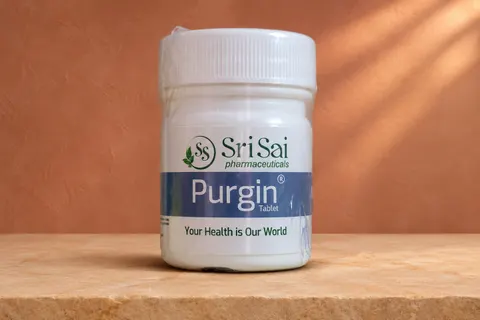
The clinic stocks these products for people who ask about this concern. They are not a treatment for any disease and do not replace a doctor's advice. Check with a doctor before you start one, especially if you take other medicines, are pregnant or breastfeeding, or have a long-term health condition.
Questions people ask
How can I relieve constipation within 30 minutes?
There is no safe home trick that works reliably in half an hour. A warm drink, a short walk, then a relaxed sit on the toilet with your feet on a low stool may help. Laxatives taken by mouth take hours. A pharmacist can tell you about suppositories, which work faster. If you have severe pain, cannot pass wind or are vomiting, get medical help instead.
I have not passed stool for 3 days. What should I do?
Fewer than three motions a week can mean constipation, and travel or new food can bring a few slow days. Drink more, add fibre, walk, and give yourself time on the toilet after breakfast. See a doctor if you also have belly pain, vomiting, fever or a swollen belly, or if this does not help.
Will my constipation ever go away for good?
For many people, constipation is tied to everyday habits, so it is something to manage rather than end once. Fibre, fluids, movement and an unhurried toilet routine keep it in check, and finding a cause, such as a medicine, can make a real difference. Be wary of any product that promises to end it for ever.
Is constipation in pregnancy normal, and what is safe?
It is common in pregnancy and after giving birth. More fibre, more water and gentle activity are safe to try. Check with your doctor or pharmacist before any laxative, including herbal and Ayurvedic ones such as triphala, while pregnant or breastfeeding. Belly pain in pregnancy that is severe, does not ease with rest, or comes with bleeding needs help straight away; call 112 if it is severe.
What tests will a doctor do for constipation?
Often none at first. A doctor will ask about your stools, food, fluids and medicines and examine your belly, sometimes with a gentle check of the back passage. Depending on your age and signs, they may suggest blood tests, a stool test or a colonoscopy, where a thin camera looks inside the large bowel.
This guide is general information, not medical advice, and it has not yet been reviewed by a doctor. It does not replace a consultation. If you are unwell, worried or unsure, please see a doctor.