Fatty liver grade 1 diet: what to eat in India
Short answer
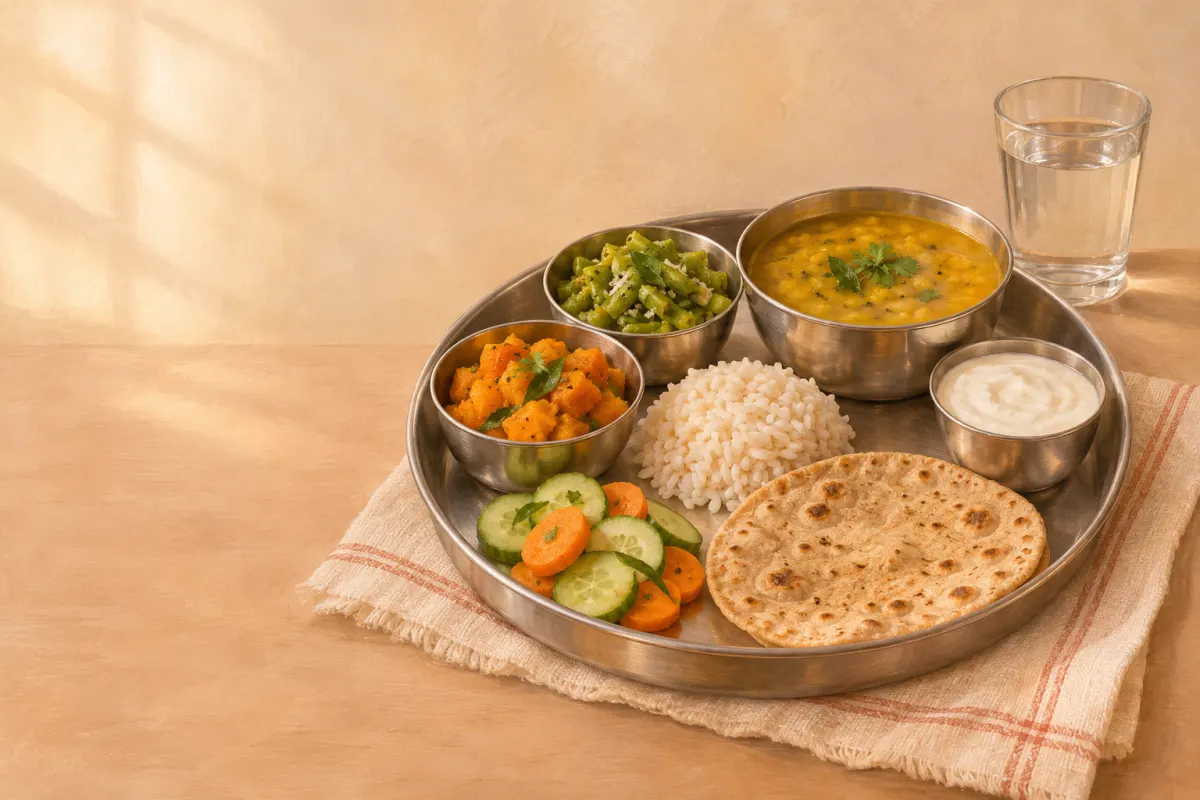
A fatty liver grade 1 diet is a normal Indian thali in smaller portions. Eat less rice or roti and more vegetables and dal, choose whole fruit over juice, and cut down sugar, maida, fried snacks and alcohol. Add a daily walk, and ask your doctor which liver blood tests you need.
What is the best diet for fatty liver grade 1?
The best fatty liver grade 1 diet is not a special one: it is a balanced Indian diet in sensible portions, with less sugar, maida, fried food and alcohol. The NHS advice for fatty liver is to eat a healthy, balanced diet, exercise regularly and lose weight if you are overweight. If you are pregnant, do not try to lose weight; ask your doctor what to eat.
A review of Indian studies estimated that between one in four and two in five adults have fatty liver, depending on the group studied. What your scan means and which tests should follow are covered in the related guide on fatty liver grade 1. This guide is about your plate.
Can I eat rice with fatty liver grade 1?
Yes. Rice is not banned, but the amount and what goes with it matter. The US National Institutes of Health (NIH) notes that white rice, white bread and potatoes raise blood glucose faster than most vegetables, fruits and whole grains. It suggests leaning towards the slower foods.
- Make rice the smaller part of the plate and dal, sambar, vegetables and salad the bigger part.
- Mix in whole grains and millets. ICMR-NIN suggests at least half your cereals come from whole grains, with millets such as ragi, jowar or bajra making up part of them.
- Choose less-polished rice where you can, and skip second helpings.
- Chapati counts too. A tall stack of rotis with ghee adds up just like rice.
Which foods should I avoid with fatty liver?
No food is banned outright, but cut down most on these:
- Sugar and sweet drinks. Soft drinks, packaged juice, sweet chai and sweets are a major source of fructose, a sugar the NIH advises people with fatty liver to avoid. ICMR-NIN advises adults to avoid added sugar or keep it to 20 to 25 g a day.
- Fried and very oily food, such as pakoras, bajji, samosas, chips and puris. The cooking oil section below explains how much oil, ghee and butter a day is sensible.
- Maida bakery items and packaged snacks, such as biscuits, cakes, namkeen and instant noodles. ICMR-NIN advises keeping these ultra-processed foods to a minimum.
- Alcohol. The NIH advises keeping it to a minimum with fatty liver, because it can damage the liver further.
Which fruits are good for the liver?
No single fruit cleans or protects the liver. What helps is eating fruit whole, in sensible portions.
- Eat the fruit, skip the juice. ICMR-NIN advises fresh fruit rather than juice. Whole fruit keeps its fibre, while juice is easy to drink in large amounts.
- Most fruits are a good choice. The NIH counts most fruits among foods that raise blood glucose slowly. Guava, orange, mosambi, papaya, apple, pear and jamun are easy to find.
- Keep the sweetest fruits to a smaller portion, such as mango, chikoo and grapes, and go easy on dried fruit.
- Have fruit in place of biscuits or sweets, not on top of them.
With diabetes or kidney disease, ask your doctor or dietitian how much fruit suits you.
What does a simple Indian diet chart for grade 1 look like?
Here is one simple example of a day. Treat it as a starting point, not a strict rule, and swap in your own regional dishes. ICMR-NIN suggests a plate that is about half vegetables and fruit, and regular meals without frequent snacking.
- Morning: water, and tea or coffee with little or no sugar, ideally not with breakfast.
- Breakfast: idli with sambar, a ragi dosa, vegetable upma or poha, or a moong dal chilla.
- Lunch: half the plate vegetables and salad, a bowl of dal, a small portion of rice or one or two millet or wheat rotis, and curd.
- If you do need a snack: a whole fruit, plain buttermilk or roasted chana rather than biscuits or fried snacks.
- Dinner, not too late: similar to lunch but lighter, with paneer, eggs, fish or chicken if you eat them.
How much walking helps fatty liver?
The NIH notes that physical activity helps fatty liver even without any change in weight.
- Aim for at least 150 minutes a week, as the NHS suggests: for example, a brisk 30-minute walk on five days.
- Add strength work. ICMR-NIN suggests muscle-strengthening exercise on at least two days a week. Yoga, stairs and cycling all count.
- Break up long sitting at a desk with short walks.
- Build up slowly if you have not been active, and check with your doctor first if you have heart disease, diabetes or joint pain.
Stop and call 112 if you get chest pain, pressure or tightness, pain spreading to the arm, jaw or back, or sudden breathlessness or dizziness while exercising.
If you carry extra weight and are not pregnant, the NIH says losing 3 to 5% of your body weight can reduce liver fat. Losing 7 to 10% may be needed to reduce inflammation and scarring. Go slowly: losing weight fast can make liver disease worse.
Which cooking oil is best for fatty liver?
No single oil is best. How much you use matters more than which oil you pick.
- Measure it. ICMR-NIN suggests adults with desk-bound lives keep visible fat, meaning cooking oil, ghee and butter together, to about 20 g a day for women and 30 g for men. That is about 4 and 6 teaspoons.
- Keep ghee and butter small. ICMR-NIN suggests no more than 1 to 2 teaspoons a day. The NIH suggests swapping saturated fats like these for unsaturated ones, especially omega-3 fats, found in fish, flaxseed, chia seeds and walnuts.
- Avoid vanaspati and other hydrogenated fats, which contain trans fats.
- Do not reuse oil left over from frying. Pressure-cook, steam or use a light tadka instead of deep frying.
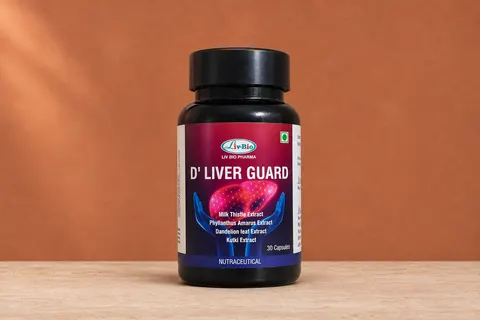
In the clinic's Shop
The clinic stocks these products for people who ask about this concern. They are not a treatment for any disease and do not replace a doctor's advice. Check with a doctor before you start one, especially if you take other medicines, are pregnant or breastfeeding, or have a long-term health condition.
Questions people ask
Are jaggery or honey better than sugar for fatty liver?
Not really. ICMR-NIN counts jaggery and honey as added sugars, just like table sugar and glucose, so they come out of the same small daily allowance. Use a little of any of them in chai, payasam or sweets. At festivals and weddings, enjoy a small piece and share the rest.
Can I drink tea or coffee with fatty liver?
Yes, for most people, in moderation and with little or no sugar. ICMR-NIN advises keeping tea and coffee moderate because of the caffeine, and at least an hour away from meals, because they reduce iron absorption. Three sweet chais a day with biscuits add up quickly. No tea, coffee or herbal drink has been shown to clear fat from the liver.
Can I eat eggs, chicken and fish with fatty liver?
Yes, for most people. ICMR-NIN lists fish, eggs, poultry and lean meat among good protein foods, and names fish and eggs as natural sources of omega-3 fats. Cooking matters more: choose a curry or grilled dish made with little oil over fried chicken or fish fry. Vegetarians can rely on dal, chana, rajma, paneer, curd and soya.
Is one diet chart right for everyone with fatty liver?
No. A chart is a starting point, not a prescription. How much rice, fruit or protein suits you depends on your weight, your activity and other conditions such as diabetes or kidney disease, and pregnancy needs its own plan. A doctor or dietitian can adjust portions, and the NHS suggests check-ups at least once a year, so ask when to repeat your tests.
This guide is general information, not medical advice, and it has not yet been reviewed by a doctor. It does not replace a consultation. If you are unwell, worried or unsure, please see a doctor.
Sources
- Non-alcoholic fatty liver disease (NAFLD) - NHS
- Eating, Diet, & Nutrition for NAFLD & NASH - NIDDK
- Treatment for NAFLD & NASH - NIDDK
- Dietary Guidelines for Indians (Revised Edition 2024) - ICMR-National Institute of Nutrition
- Prevalence of Non-alcoholic Fatty Liver Disease in India: A Systematic Review and Meta-analysis - Journal of Clinical and Experimental Hepatology (2022)
- Cirrhosis - NHS