Milk thistle and fatty liver: evidence, limits and safety
Short answer
Milk thistle is not a proven answer for fatty liver. Small studies suggest its extract, silymarin, may lower liver enzyme levels, but the results are mixed. It is usually well tolerated, though it can upset the stomach or cause allergies. Ask a doctor first if you take any medicines. Food, movement and less alcohol matter most.
Is milk thistle good for fatty liver?
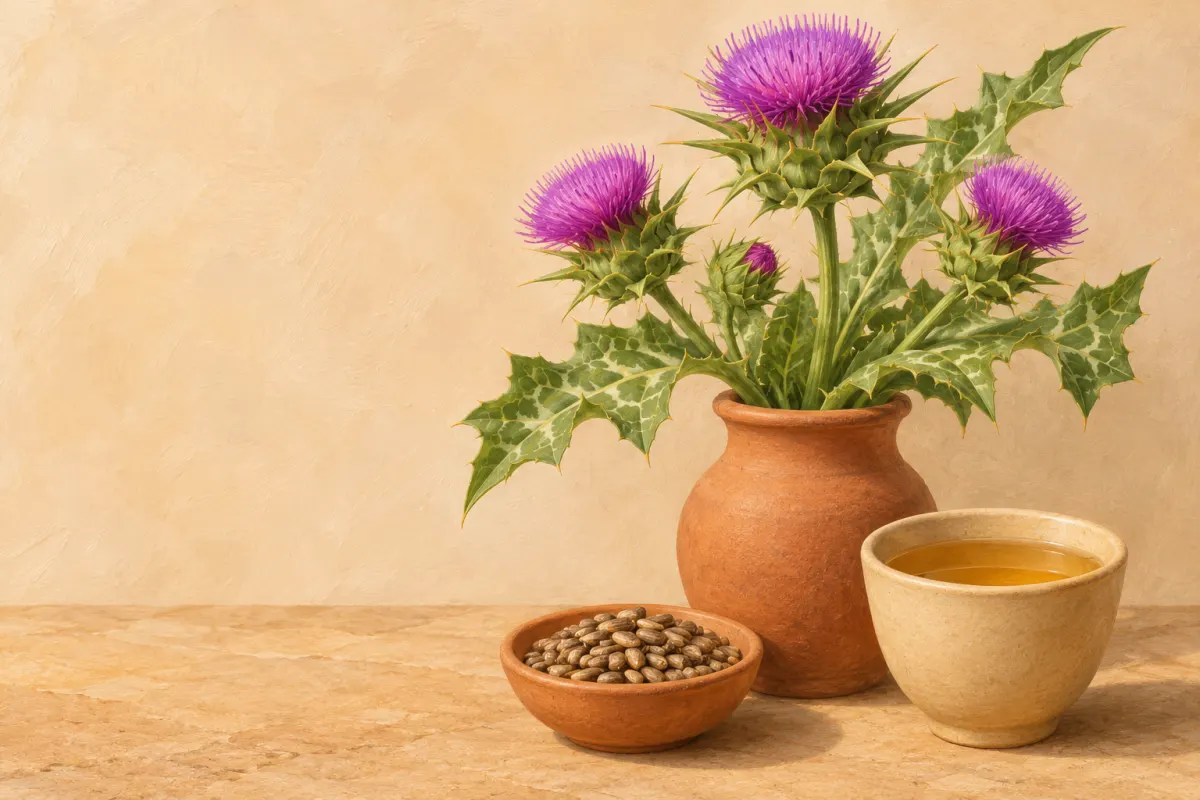
The research on milk thistle for fatty liver is mixed and mostly based on small studies. This purple-flowered plant comes from Europe. Its seeds and sap contain silymarin, a mix of compounds that is the main part of milk thistle extract, and it has long been used for liver problems.
What the studies show:
- The US National Center for Complementary and Integrative Health (NCCIH) says there is not enough high-quality evidence for firm conclusions. A trial it funded in a more serious, inflamed form of fatty liver found no benefit from silymarin.
- A 2024 review of nine trials in people with fatty liver found lower levels of the liver enzymes ALT and AST in blood tests with silymarin. The authors noted that the studies differed a lot and that several were not blinded.
- A larger review of 26 trials with 2,375 people, summarised in the Merck Manual, reported lower liver enzymes and less fat in liver tissue samples.
Is there a set time for milk thistle to work?
No. There is no agreed timeline, and it may not help at all. Trials have used different extracts and amounts, so their results cannot be turned into a simple number of weeks.
Better blood results also do not always mean a healthier liver. In one 8-week trial, 52 people with fatty liver were waiting for weight-loss surgery. Their liver enzymes improved, but two checks for scarring, a liver stiffness scan (FibroScan) and the FIB-4 score, did not change.
If you decide to try it, tell your doctor, keep up the food and activity changes that matter most, and let your doctor decide when to repeat your liver tests. Judge progress by those tests, not by how you feel in a week or two.
How much milk thistle should I take a day?
This guide does not give a dose, because there is no agreed amount of milk thistle for fatty liver. The trials used different products and amounts, and quality varies.
US researchers have found milk thistle products whose silymarin content was very different from the label, and some contaminated with pesticides, germs or toxins from moulds. Many liver products also mix milk thistle with other herbs, such as dandelion, kutki or ginkgo, and each can bring its own side effects and interactions. Ginkgo, for example, may raise the risk of bleeding with blood thinners such as warfarin, and may be unsafe in pregnancy. So:
- Never take more than the pack says, and do not take several liver products that each contain milk thistle.
- Read the full ingredient list and the maker's details, and buy from a reliable source.
- Show the pack to your doctor or pharmacist and ask whether it suits you, especially if you take other medicines.
What happens if I take milk thistle every day?
Taken by mouth, milk thistle seems to be well tolerated by most people, and no serious side effects have been reported in the research summaries. The most common problems are digestive:
- bloating
- nausea
- gas, or a general upset stomach
It can also cause allergic reactions, mainly in people allergic to related plants such as ragweed, chrysanthemum, marigold (genda) and daisy. If marigold garlands or chrysanthemums make you itch or sneeze, be cautious.
Stop taking it and see a doctor if you get a rash, itching, swelling or wheezing after starting it. Mention any new or lasting stomach upset at your next visit.
Who should avoid milk thistle?
Check with a doctor before taking milk thistle if any of these apply:
- You take any regular medicine. Herbs can change how some medicines work. If you take diabetes medicines, milk thistle may make your blood sugar drop lower than expected. It may raise the INR, a blood-clotting test, in people on warfarin, so anyone on a blood thinner should ask first. It may also interfere with some HIV medicines and with sirolimus, a transplant medicine.
- You are pregnant or breastfeeding. Little is known about its safety then.
- You have a hormone-sensitive condition, such as endometriosis, fibroids or a hormone-related cancer.
- You are allergic to the daisy family, including marigold and chrysanthemum.
- You have liver, kidney or heart disease, are older and on several medicines, or are thinking of giving it to a child.
Do not stop or change any prescribed medicine to start milk thistle.
What matters more than a supplement for your liver?
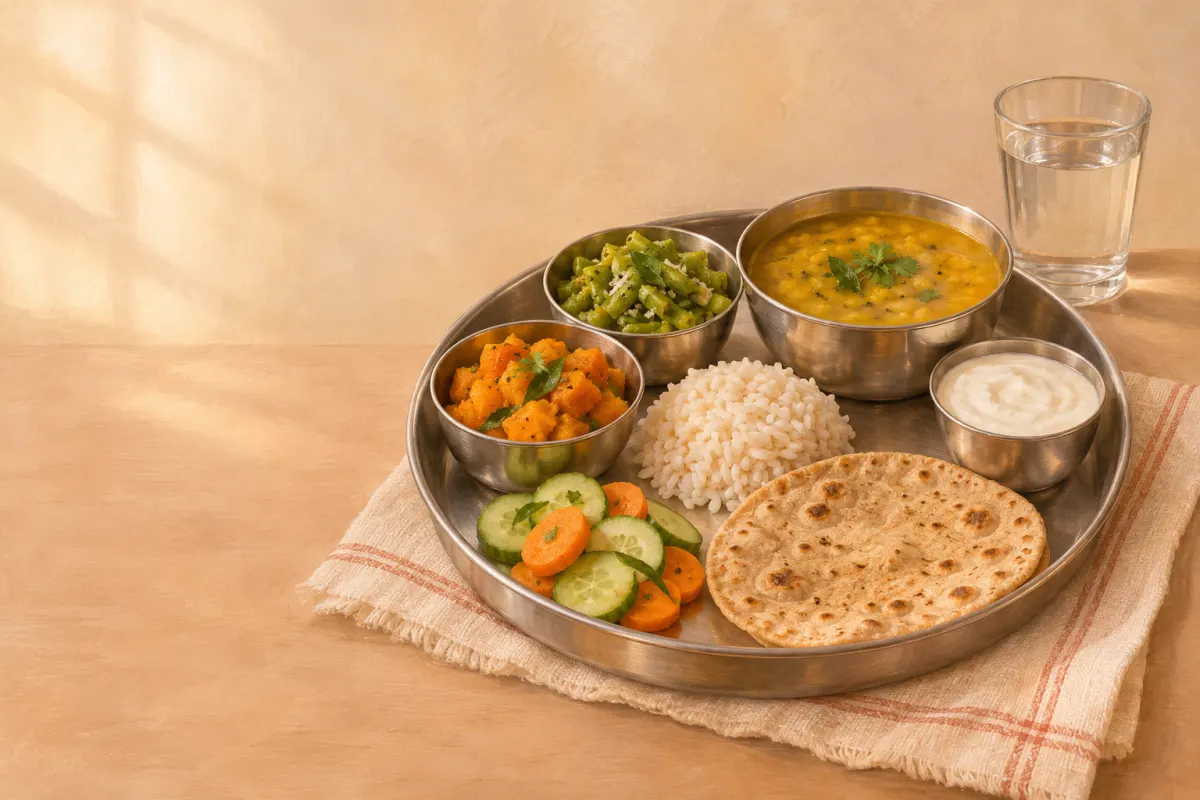
The steps with the strongest evidence for fatty liver are everyday ones. The related guides on fatty liver grade 1 and on a fatty liver diet for Indian homes cover them in detail:
- Food: a healthy, balanced diet with fewer sugary drinks, sweets and fried foods.
- Movement and weight: at least 150 minutes of exercise a week, as the NHS suggests, and losing weight if you are overweight.
- Alcohol and smoking: keep alcohol within safe limits, and do not smoke.
A doctor may arrange liver blood tests, look for linked conditions and sometimes suggest a scan to check for damage.
Questions people ask
Is milk thistle safe for the kidneys?
Kidney problems are not among the common side effects reported for milk thistle, which are mainly stomach upsets and allergies. One known interaction does involve kidney transplant patients: milk thistle may slow how the body clears sirolimus, a transplant medicine. If you have kidney disease or a transplant, check with your doctor before taking it, as with any supplement.
Who should be careful with milk thistle because of hormones?
Anyone with a hormone-sensitive condition. The Merck Manual advises people with breast, uterine or ovarian cancer, endometriosis or fibroids not to use the parts of the plant that grow above the ground. Research summaries have not reported serious side effects from milk thistle in general. If you are having cancer treatment, ask your cancer doctor before taking any herbal product.
Can milk thistle protect my liver if I drink alcohol?
There is no good evidence that it does. A 2007 Cochrane review of 13 trials (915 people), summarised in the Merck Manual, looked at alcohol-related and hepatitis B or C liver disease. It found no clear effect on deaths, complications or liver tissue. A fall in liver-related deaths disappeared when only high-quality trials were counted. No supplement makes regular drinking safe for the liver.
Do I need milk thistle if my scan shows fatty liver?
No. For most people with early fatty liver, the NHS says healthy lifestyle changes are all that is needed, unless the liver is already damaged. If you still want to try milk thistle, show the pack to your doctor, take no more than the label says, and keep up the food and activity changes. Never stop or change a prescribed medicine on your own.
This guide is general information, not medical advice, and it has not yet been reviewed by a doctor. It does not replace a consultation. If you are unwell, worried or unsure, please see a doctor.
Sources
- Milk Thistle: Usefulness and Safety - NCCIH
- Milk Thistle - Special Subjects - Merck Manual Professional Edition
- Effects of silymarin use on liver enzymes and metabolic factors in metabolic dysfunction-associated steatotic liver disease: a systematic review and meta-analysis - Canadian Liver Journal (2024)
- Ginkgo: Usefulness and Safety - NCCIH
- Non-alcoholic fatty liver disease (NAFLD) - NHS
- Cirrhosis - NHS