Hair fall tablets: who needs them and what to check first

Short answer
There is no single best hair fall tablet. Supplements tend to help when a blood test shows you are short of something, such as iron, and for most other hair fall the evidence is weak. Find the cause first. A doctor can often tell by looking at your hair and scalp, and may suggest a few blood tests before you spend money on tablets.
Which tablet is good for hair fall?
It depends on why your hair is falling. A supplement can help only if it supplies something your body is really short of.
- Iron is recommended when tests show low iron stores, which is common in women with hair fall. Vitamin C helps your body absorb it.
- Vitamin D may help when your level is low.
- Biotin, zinc, folic acid and vitamin B12 have too little evidence behind them for common hair fall.
- Medicines for inherited thinning are a doctor's decision. Minoxidil, one such medicine, is usually applied to the scalp. Do not take any hair loss medicine by mouth unless a doctor prescribes it, and women should not take finasteride. These medicines do not work for everyone, and any benefit lasts only as long as you use them.
Much hair fall after illness, childbirth or stress settles without any tablet. And before paying for a hair clinic package, see a doctor to find out what is causing your hair loss.
Which tests should I do before taking hair tablets?
A doctor will first ask about your health, diet, stress, recent illness and medicines, and look at your hair and scalp. Depending on what they find, they may suggest:
- a full blood count (CBC), which checks for anaemia, a shortage of healthy red blood cells
- ferritin, the iron your body keeps in store, the usual test for low iron in hair loss. It can read high during an infection or inflammation, so your doctor will read it with that in mind.
- thyroid function tests, since an underactive thyroid can cause hair loss along with tiredness, weight gain, constipation and feeling cold
- vitamin D and vitamin B12 levels
- hormone tests in some women, if a hormone imbalance is suspected
Test before you start supplements, not after. If you already take a supplement with biotin, tell the doctor and the lab first. You may be asked to stop it for a while before the test.
Hair fall tablets: side effects and safety
Most vitamins and minerals are safe in sensible amounts, but hair tablets often combine several nutrients at high doses, and more is not better.
- Biotin. Many hair, skin and nail supplements contain far more than you need. Biotin can make blood tests falsely high or low, including thyroid tests and a test used to check for a heart attack. Tell the doctor and the lab before any blood test, and mention it if you ever need emergency care.
- Iron. It can cause constipation, stomach pain or feeling sick. Darker stools are common and usually nothing to worry about, but black, tar-like stools are not: see the urgent signs below. Iron can kill a young child who swallows it, so store anything with iron out of children's reach.
- Doubling up. Too much vitamin A or selenium can itself cause hair loss. Do not take a hair tablet and a multivitamin together without checking both labels.
Check with a doctor before starting any supplement, including a multivitamin, if you are pregnant or breastfeeding or take warfarin or another blood thinner. The same applies if you take other regular medicines, are older, or have kidney, liver or heart disease.
Can B12 or biotin stop hair loss?
Probably not, unless you are low in them.
Biotin is found in foods such as eggs, milk and bananas, and a real shortage is rare in people who eat a normal diet. A lack of biotin can thin the hair, and then a supplement does help. But for ordinary hair fall there is no good scientific evidence that extra biotin works.
Vitamin B12 is needed to make red blood cells and to keep your nerves working. There is not enough evidence to recommend B12 tablets for hair fall. But if a blood test shows your B12 is low, your doctor will want to correct it for your blood and nerves, not just your hair.
How long before hair tablets show a change?
Hair grows slowly, so any change takes months, not weeks. If a blood test found a real shortfall, such as low iron, most doctors agree it should be corrected, and the hair fall may then ease. Your doctor may repeat the blood test to check your progress and tell you how long to continue.
If your hair fall came after an illness, childbirth or a stressful time, it usually settles by itself over the same months. A tablet taken then may get credit it did not earn.
If you have taken a supplement for a few months with no change, see a doctor rather than switching brands or adding a second product. The cause may be one that a supplement cannot help with, such as an inherited pattern or a scalp problem.
Food first: what helps hair from your kitchen?
For most people, food can cover most of what hair needs.
- Iron: dal and other pulses such as rajma and chana, dark-green leafy vegetables such as palak, and dried fruit. The related guides on increasing hemoglobin and on taking iron tablets with tea explain how to absorb more of it.
- Protein: dal, curd, paneer, milk, and eggs or fish if you eat them, at regular meals. Crash diets that are low in protein can bring on hair fall.
Be gentle with your hair as well. Hairstyles that pull tightly on the scalp, and harsh colouring, perming or relaxing, can damage the hair and cause hair loss that a tablet cannot help with.
In the clinic's Shop
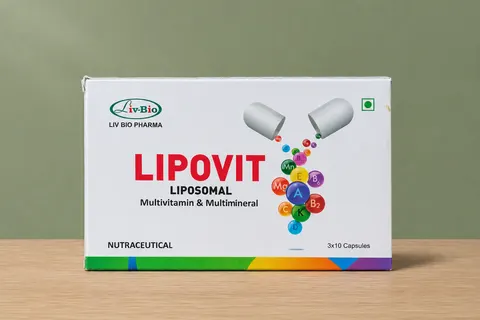
The clinic stocks these products for people who ask about this concern. They are not a treatment for any disease and do not replace a doctor's advice. Check with a doctor before you start one, especially if you take other medicines, are pregnant or breastfeeding, or have a long-term health condition.

Questions people ask
Should I go to a hair clinic or a doctor first?
See a doctor first. A doctor can often work out the cause just by looking at your hair and scalp, and can order blood tests if needed. Then you know whether you need a medicine, a supplement or simply time. Be wary of any package that promises new hair for everyone: no hair loss treatment works for every person.
Should I take a multivitamin for hair fall?
A multivitamin is not a substitute for finding the cause, and it will not correct every shortfall. Most multivitamins contain only small amounts of biotin, which are unlikely to affect blood tests. If you take one, check before adding a hair tablet, as many contain the same nutrients. Doubling up on vitamin A or selenium can add to hair fall, so ask a doctor or pharmacist to compare both labels.
Are hair tablets safe in pregnancy or while breastfeeding?
Check with your doctor first. Biotin in normal amounts is considered likely safe in pregnancy and breastfeeding, but hair tablets can contain much larger amounts, along with iron, zinc and other nutrients. If you are pregnant, avoid supplements and multivitamins that contain vitamin A (retinol) unless your doctor advises them. Your doctor may already have you on a pregnancy supplement, and doubling up is not a good idea.
Can I take hair tablets with thyroid tablets?
Usually yes, but timing matters. Take any supplement containing iron or calcium at least four hours before or after levothyroxine (the usual thyroid tablet), as they can stop it working properly. Biotin can also distort thyroid blood tests, so tell your doctor before your next test. Never change your thyroid dose on your own, and ask your doctor or pharmacist to check the full label.
This guide is general information, not medical advice, and it has not yet been reviewed by a doctor. It does not replace a consultation. If you are unwell, worried or unsure, please see a doctor.
Sources
- Biotin: MedlinePlus Supplements
- The Role of Vitamins and Minerals in Hair Loss: A Review - Dermatology and Therapy (2018)
- Hair loss: MedlinePlus Medical Encyclopedia
- Iron deficiency anaemia - NHS
- Side effects of ferrous sulfate - NHS
- Levothyroxine: MedlinePlus Drug Information
- Hair loss - NHS
- Vitamins and supplements in pregnancy - NHS