Is it safe to take vitamin C every day? What to know

Short answer
Yes, for most healthy adults it is safe to have vitamin C every day; your body needs some daily because it cannot store it. Food such as amla, guava, oranges and lemon usually covers it. If you take a supplement, keeping the total under 1,000 mg a day is unlikely to cause harm. Ask a doctor first if you are pregnant, have kidney problems or take regular medicines.
What happens if I take vitamin C every day?
Vitamin C, also called ascorbic acid, dissolves in water. Your body cannot make it and does not keep a store of it; what it does not use leaves in the urine. That is why you need some every day, and why taking extra does not build up a reserve for later. For most healthy adults, a daily intake within sensible limits is safe.
Your body uses vitamin C to:
- build collagen, blood vessels, cartilage and muscle
- help wounds mend
- keep bones and teeth healthy
- absorb iron from plant foods such as dal and greens
- protect cells from damage, as an antioxidant
Going without it for a long time can lead to scurvy, which causes bleeding gums, easy bruising, anaemia and slow healing. Most people who eat fruit and vegetables every day already get enough, so a supplement is often not needed.
How much vitamin C do I need, and can food cover it?
The ICMR-National Institute of Nutrition recommends 80 mg a day for adult men and 65 mg a day for adult women. Food covers this easily for most people. Good everyday sources include amla, guava, oranges, mosambi and lemon, tomatoes, capsicum and green leafy vegetables.
Vitamin C is delicate. Heat, air, drying and long storage destroy much of it, and some is lost in cooking water that gets thrown away. To keep more of it:
- eat some fruit and vegetables raw, such as guava slices, a cucumber-tomato salad, or lemon squeezed over dal just before eating
- cut fruit and vegetables close to the time you eat or cook them
- steam or cook vegetables briefly instead of boiling them for a long time
People who smoke, or who eat very little fruit and vegetables, are more likely to run short.
Is 500 mg or 1,000 mg of vitamin C a day safe?
For most healthy adults, 500 mg a day from supplements is within the range the NHS says is unlikely to cause harm: less than 1,000 mg a day. 1,000 mg a day sits right at the edge of that range. Above it, stomach pain, loose motions and gas become more likely, and these usually settle once you stop the supplement.
- Long-term use above 2,000 mg a day raises the risk of serious side effects.
- Kidney stones. High doses can lead to kidney stones in some people, so if you have had stones before, ask a doctor before taking any vitamin C supplement.
- Count every source. Many multivitamins, iron capsules and skin supplements also contain vitamin C, and these add up.
Fruit and vegetables are not the worry here: these limits are about supplements.
What are the signs of too much vitamin C?
The first signs usually show up in your stomach:
- stomach pain, cramps or bloating
- loose motions, nausea or vomiting
- gas or heartburn
- headache, tiredness, or trouble sleeping
These usually settle once you stop the supplement. If they do not, see a doctor.
One group needs extra care. G6PD deficiency is an inherited condition, passed down in families, in which red blood cells can break down too easily, for example after an infection or certain medicines. In people who have it, high doses of vitamin C can also set off this breakdown, called haemolytic anaemia. If you or a family member has been told you have G6PD deficiency, ask a doctor before taking vitamin C supplements.
When is the best time to take a vitamin C tablet?
Health guidance focuses on how much vitamin C you take, not the time of day. Since your body uses it up and keeps no store, a steady daily intake, mostly from food, matters more than the clock.
A few practical points:
- Pick a time you will remember, such as with breakfast.
- Taking iron as well? The guide on iron tablets and tea explains how to time iron around meals and drinks.
- If a tablet upsets your stomach, stop it and see whether the upset settles; stomach trouble is the most common sign of too much.
- Before a blood or stool test, tell the doctor or lab that you take vitamin C. High levels can affect some results, such as blood sugar screening and stool tests for hidden blood.
Who should check with a doctor before taking vitamin C?
Vitamin C from food is fine for almost everyone. Before taking supplements, check with a doctor if you:
- are pregnant or breastfeeding
- have kidney problems or have had kidney stones before, or take kidney medicines that contain aluminium (phosphate binders)
- have haemochromatosis, a condition that loads the body with too much iron, since vitamin C increases how much iron you absorb
- have G6PD deficiency
- take warfarin (a blood thinner), cholesterol medicines (statins taken with niacin), the contraceptive pill or HRT (hormone replacement therapy), or some HIV medicines (protease inhibitors)
- are having chemotherapy
Children, older adults on several medicines, people on diabetes or thyroid medicines, and people with liver or heart disease should also ask first.
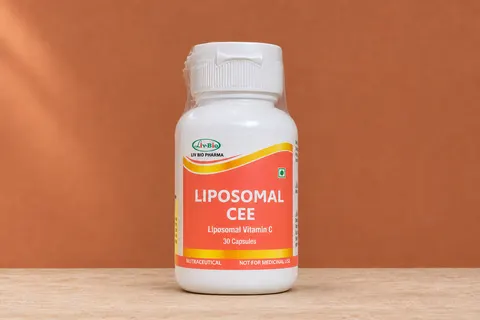
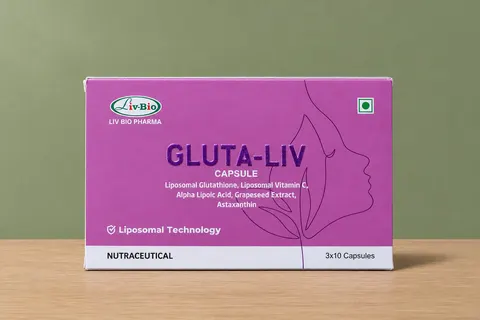
In the clinic's Shop
The clinic stocks these products for people who ask about this concern. They are not a treatment for any disease and do not replace a doctor's advice. Check with a doctor before you start one, especially if you take other medicines, are pregnant or breastfeeding, or have a long-term health condition.
Questions people ask
Does vitamin C stop colds or help a blocked nose?
Not in the way many people hope. Research shows that taking vitamin C supplements does not prevent the common cold, and has little effect on how long a cold lasts or how bad it feels. If you keep catching colds, or a blocked nose will not clear, see a doctor rather than taking more vitamin C.
Can vitamin C help my body use iron?
Yes. Vitamin C helps your body absorb iron, especially the iron in plant foods. Squeezing lemon over dal, adding amla or a coriander and green chilli chutney, or eating guava or orange with a meal of greens, rajma or chana is a simple habit. If you have been prescribed iron tablets, follow your doctor's advice on how to take them.
Is vitamin C from fruit better than a tablet?
For most people, food is the better first choice. Whole fruit and vegetables bring fibre and many other nutrients along with vitamin C, and a supplement may not give the same antioxidant benefit as vitamin C in food. A supplement can help people who struggle to eat enough fruit and vegetables or who are at risk of running low.
Is it safe to take vitamin C for months or years?
At moderate amounts, vitamin C supplements are generally safe for most adults. The concern is long-term use of high amounts: more than 2,000 mg a day over a long time raises the risk of serious side effects. If you plan to take a supplement for a long time, add up the total across all your products and go over it with your doctor at your next check-up, especially if you have kidney problems or take regular medicines.
This guide is general information, not medical advice, and it has not yet been reviewed by a doctor. It does not replace a consultation. If you are unwell, worried or unsure, please see a doctor.
Sources
- Vitamins and minerals - Vitamin C - NHS
- Vitamin C - Mayo Clinic
- A Brief Note on Nutrient Requirements for Indians, the Recommended Dietary Allowances (RDA) and the Estimated Average Requirements (EAR), ICMR - NIN, 2020
- Dietary Guidelines for Indians (Revised Edition 2024) - ICMR-National Institute of Nutrition
- Kidney stones - NHS
- Glucose-6-phosphate dehydrogenase deficiency: MedlinePlus Medical Encyclopedia