Glutathione tablets for skin: what to expect

Short answer
Glutathione tablets for skin have only weak evidence behind them. A few small studies measured skin colour and found small changes at some places on the body. No study of tablets has checked whether any change lasts after people stop. Daily sunscreen, gentle skin care and good food matter more. Check with a doctor first if you take other medicines.
What do glutathione tablets do for skin?
Glutathione is an antioxidant, a substance that helps protect cells from damage. It is a small molecule built from three amino acids (the building blocks of protein), and a healthy body makes its own supply.
In lab studies, glutathione affects how skin cells make melanin, the pigment that gives skin its colour. It is widely sold for skin glow, but what happens in people is much less clear.
The few trials of glutathione by mouth were small, short and mostly in healthy adults in Southeast Asia. In one 12-week trial, skin colour readings and sun spots tended to be lower than with a dummy pill, but across the whole group the difference was too small to be sure it was real. No one knows the right amount, or how long it would need to be taken.
Why are glutathione tablets not working for me?
You are not alone, and there are a few likely reasons:
- It may not reach your skin. How much glutathione taken by mouth reaches the skin is unclear; some studies suggest little does.
- The effect is small at best. Even where trials saw a change, it was slight and did not show clearly everywhere.
- The sun keeps working. Sunlight, including visible light, prompts skin to make more melanin and can cause new dark spots. A tablet does not block it.
- Dark spots have their own causes. Marks left by pimples, cuts, insect bites or burns, irritating skin or hair products, some medicines, and hormonal changes such as pregnancy can all darken skin. Many spots fade once the cause is found and stopped.
If you think a medicine is causing dark patches, do not stop it; ask the doctor who prescribed it. For patches that keep spreading, a dermatologist can find the cause and suggest the right treatment.
How long before any change shows?
Trials of glutathione by mouth have run for about one to three months, and any changes they measured were small. No study has shown how long you would need to take it. No study of tablets has checked what happens after people stop, so no one knows whether any change lasts.
It helps to set expectations by what you hope to change:
- Dark spots after pimples or injuries that are a few shades darker than your skin usually fade within 6 to 12 months once the cause stops. Deeper, grey-blue or very dark patches can take years.
- Your natural skin colour is not something tablets have been shown to change in a lasting way.
If you take any supplement, stop it if you get a rash or itching, and keep using sunscreen.
What are the side effects of glutathione tablets?
In the short trials, glutathione taken by mouth was generally well tolerated, and no serious problems were reported. In one 12-week trial, a few people had itching, redness, small red spots or tiredness, but itching, redness and red spots were at least as common in people taking a dummy pill. Two volunteers left that trial because their liver test results rose. The results went back to normal within a few weeks, and the report does not say whether they were taking glutathione or the dummy pill. The researchers advised blood tests even for supplements bought over the counter.
The trials were small, short and done in healthy adults, so long-term safety is not known. Some skin capsules also mix glutathione with other ingredients that carry their own cautions, so read the full label.
Check with a doctor before you start if you:
- are pregnant, planning a pregnancy or breastfeeding
- have kidney, liver or heart disease, or abnormal liver test results
- take several medicines, especially for blood sugar, thyroid or blood thinning
- are having cancer treatment or have surgery planned
- are buying it for a teenager or child
Are glutathione injections or drips any better?
No. Injections and drips given for skin colour are a different and riskier matter. The evidence for them rests on a single trial that experts say was poorly designed, and in it some people developed liver problems and one had a severe allergic reaction. A 2018 review noted that India's drug regulator had approved glutathione injections only for some alcohol-related liver conditions, not for skin.
The drug regulator in the Philippines issued a public warning against using them for skin lightening. Reported harms include life-threatening skin reactions, severe stomach pain, kidney and thyroid problems, and dangerous infections when injections are given in unclean settings or with fake products.
If a salon or clinic offers glutathione drips for glow or a lighter skin tone, it is safer to say no.
How can I increase glutathione naturally?
If you are healthy, your body already makes the glutathione it needs. Eating foods rich in the amino acids it is made from is sometimes suggested, but there is no good evidence that this changes skin. What you can do is cover the basics for your skin and body:
- Eat enough protein through the day, such as dal, curd, paneer, eggs, fish or chicken, along with plenty of vegetables.
- Get vitamin C from food every day, as the body cannot store it. Amla, guava, oranges, mosambi and other citrus fruit, tomatoes and capsicum are good sources.
- Use sunscreen every day: SPF 30 or higher and broad-spectrum. A tinted sunscreen with iron oxide also guards against visible light, which can darken spots.
- Choose gentle, fragrance-free products that do not irritate your skin.
In the clinic's Shop
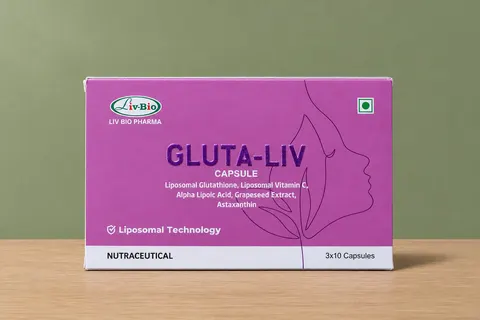
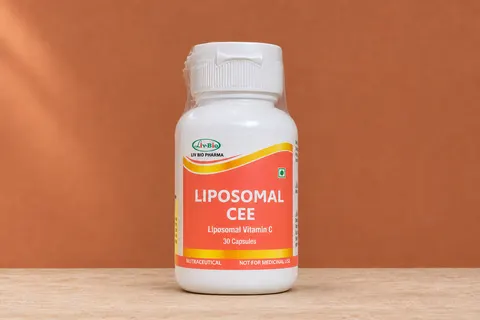
The clinic stocks these products for people who ask about this concern. They are not a treatment for any disease and do not replace a doctor's advice. Check with a doctor before you start one, especially if you take other medicines, are pregnant or breastfeeding, or have a long-term health condition.
Questions people ask
Can I take glutathione and vitamin C together?
Many skin capsules already contain vitamin C, so read the label before adding a separate tablet, and add up the vitamin C in everything you take. Most people get enough from food, and more than 1,000 mg a day from supplements can upset the stomach. If you have had kidney stones or have kidney disease, ask your doctor before taking vitamin C supplements. The related guide on vitamin C has more.
Can I take glutathione with my other medicines?
Check the full label first, because some skin capsules add alpha-lipoic acid. That ingredient might lower blood sugar too far when taken with diabetes medicines, may make thyroid hormone tablets work less well, might raise the risk of bruising with blood thinners, and might weaken some cancer medicines. Show the label to your doctor, and never stop or change a prescribed medicine on your own.
Are glutathione tablets bad for the kidneys?
Kidney problems have been reported with glutathione injections, not with tablets, and the short trials of tablets found no serious problems. But those trials were small and in healthy people, so long-term safety is not known. If you have kidney disease or have had kidney problems before, ask your doctor before starting any supplement.
What happens when I stop taking glutathione?
No one knows yet. The tablet studies stopped measuring when the tablets stopped, so they cannot say whether any change in skin colour lasts. The one study that checked people afterwards used injections, and in it most of the change had gone within six months. That is one more reason to lean on daily sunscreen and gentle care, the habits that protect your skin every day.
This guide is general information, not medical advice, and it has not yet been reviewed by a doctor. It does not replace a consultation. If you are unwell, worried or unsure, please see a doctor.
Sources
- Glutathione for skin lightening: a regnant myth or evidence-based verity? - Dermatology Practical & Conceptual (2018)
- Glutathione and its antiaging and antimelanogenic effects - Clinical, Cosmetic and Investigational Dermatology (2017)
- Ask the Doctors - What do glutathione supplements do? - UCLA Health
- How to fade dark spots in darker skin tones - American Academy of Dermatology
- Vitamins and minerals - Vitamin C - NHS
- Alpha-Lipoic Acid: MedlinePlus Supplements
- Dietary Guidelines for Indians (Revised Edition 2024) - ICMR-National Institute of Nutrition