Knee pain after 40: why it happens and what helps
Short answer
Knee pain after 40 is common, and it most often comes from wear in the joint (osteoarthritis), extra body weight, overuse or a past injury. Regular activity, stronger leg muscles and a healthy weight can ease it. See a doctor if it has not improved after two weeks of home care, sooner if it is getting worse, or if the knee is hot, badly swollen, locks or gives way.
Is knee pain normal in your 40s?
It is common, but you do not have to simply put up with it. The most frequent reason after 40 is osteoarthritis. The smooth cartilage that cushions the ends of your bones slowly breaks down, so the knee becomes painful and stiff and may swell a little.
Your chances go up with:
- age: doctors often think of osteoarthritis from about 45 onwards
- being a woman
- an old knee injury, especially if you went back to heavy use before it had healed
- family history of osteoarthritis
- extra body weight, which strains the knees and hips most
Women around menopause may also notice aching joints, because oestrogen levels fall. Pain from a simple cause, such as a long trek, often settles with a little care.
Why do my knees hurt when I climb stairs?
Stairs ask much more of your knees than flat ground. MedlinePlus explains that every extra kilo you carry adds about five kilos of pressure on your kneecap as you go up or down stairs.
Common reasons:
- Wear in the joint. Osteoarthritis pain usually gets worse the more you use the knee, and you may hear or feel a grating or crackling as it moves.
- Pain around the kneecap, felt at the front of the knee (patellofemoral pain).
- Bursitis, a swollen, sore cushion over the knee, which can follow long spells of kneeling, for example to clean floors.
- Overuse, such as a sudden jump in how much you walk, run or climb.
Can uric acid or weight cause knee pain?
Weight: yes, it adds strain. Extra body weight puts more load on the knees and raises the risk of osteoarthritis.
Uric acid: sometimes. Too much uric acid in the blood can form crystals around a joint and cause gout. Gout usually strikes the big toe, but it can affect the knee. It comes as a sudden attack of severe pain, with hot, swollen, red skin over the joint, and an untreated attack usually lasts one to two weeks. A slow ache that is worse when you walk is more typical of wear in the joint.
Gout is more likely in men as they get older, in women after menopause, and in people who are overweight, drink alcohol or take water tablets (diuretics). A very large meal, too much alcohol or not drinking enough water can set off an attack. A doctor can check your uric acid with a blood test.
How do I take care of my knees after 40?
Movement is the main treatment, even when the knee aches. Exercise that builds the muscles around the knee usually eases pain over time.
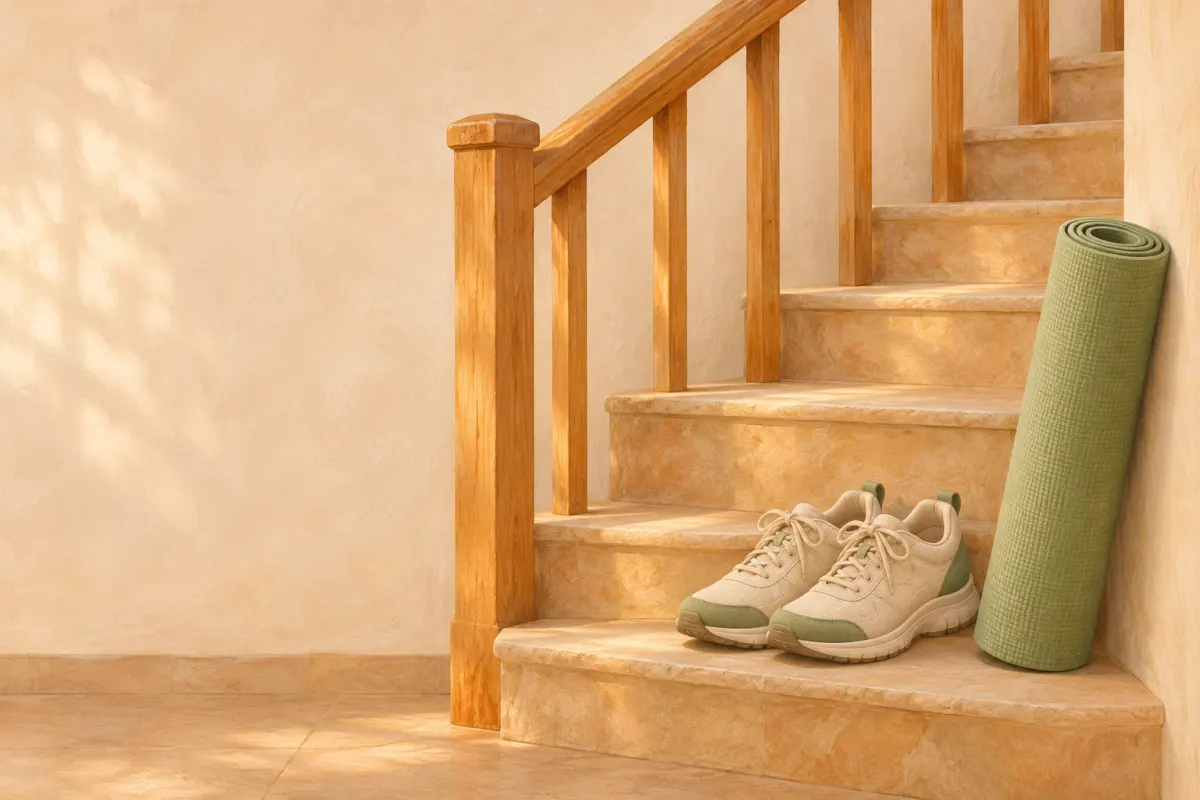
- Stay active. Aim for at least 150 minutes a week of brisk walking or cycling, plus strength exercises on two or more days.
- Choose gentler activity. Cycling and swimming are easier on the knees than running.
- Stretch the muscles at the front and back of your thighs, and warm up before exercise.
- Wear cushioned shoes; inserts may help flat feet.
- Ease the daily strain. Break up long sitting at a desk, and if sitting cross-legged on the floor or squatting hurts, use a chair or a raised seat for now.
- During a flare, rest the knee a little, raise it, and use an ice pack wrapped in a towel for up to 20 minutes every 2 to 3 hours.
Doing too much too quickly, or the wrong exercises, can make things worse, so build up slowly. A physiotherapist can give you a plan to follow at home.
Do turmeric or joint supplements help knee pain?
Turmeric (haldi) has a long place in Indian kitchens and in Ayurveda, and it is being studied for knee pain. Early results look positive, but better studies are needed before anyone can say it works. Turmeric in your dal or sabzi is fine for most people.
Turmeric or curcumin supplements are a different matter. Liver damage has been reported in some people taking curcumin products made to be absorbed more easily, and turmeric supplements may be unsafe in pregnancy. Check with a doctor first if you are pregnant or breastfeeding, have liver, kidney or heart disease, or take regular medicines. Stop and see a doctor if you notice yellow eyes or skin, dark urine, nausea, a poor appetite or unusual tiredness.
Glucosamine and chondroitin are sold widely for joints, but there is no strong evidence that they help, and UK health guidance no longer recommends them.
The measures with the best evidence are less exciting: regular exercise, a healthy weight and supportive shoes.
What will a doctor check for knee pain?
A doctor will ask where the knee hurts, when it started, what makes it better or worse and whether you injured it. They will examine your knees, hips and legs.
Often no test is needed to recognise osteoarthritis. When the cause is unclear, a doctor may suggest:
- an X-ray of the knee
- an MRI scan, if a torn ligament or torn cartilage (meniscus) is possible
- a uric acid blood test, if gout is likely
- blood tests to rule out other joint conditions, such as rheumatoid arthritis
- a sample of fluid from the knee, taken with a thin needle, to look for infection or gout
Treatment depends on the cause and may include physiotherapy, a pain medicine that suits you, a steroid injection into the knee or, for a few people, surgery.
Questions people ask
Which tablet is good for knee pain?
No single tablet is best; it depends on the cause and your health. For knees, a doctor or pharmacist may suggest an anti-inflammatory gel, which you rub on the joint, before tablets. Anti-inflammatory tablets do not suit everyone. Ask first if you have asthma, a stomach ulcer, or a heart, kidney or liver problem, have had a stroke, are pregnant, or take low-dose aspirin, a blood thinner such as warfarin, or blood pressure medicines. Do not keep taking them for more than a few days without advice.
Is walking good for knee pain, or should I rest?
Walking usually helps. A short rest during a flare is fine, but do not stop moving the knee altogether: the muscles weaken and stiffness can get worse. Start with short walks on flat ground and build up slowly. If walking makes the pain worse, ask a doctor or physiotherapist for a plan that suits you.
Will a knee belt or knee cap help?
An elastic knee sleeve or support may ease swelling and make the knee feel steadier. Supports work best alongside exercise, not instead of it. If your knee keeps giving way or feels unstable, see a doctor rather than relying on a belt, because a torn ligament or cartilage may need checking.
Will my knee pain go away for good?
It depends on the cause. Strains and overuse often settle with simple care. Osteoarthritis is a long-term condition, but it does not always get worse, and it can slowly improve with regular exercise, a healthy weight and the right support. Be wary of any product that promises to end knee pain for good.
This guide is general information, not medical advice, and it has not yet been reviewed by a doctor. It does not replace a consultation. If you are unwell, worried or unsure, please see a doctor.