Pain relief oil or balm: how to use it for everyday aches
Short answer
A pain relief oil or balm can make an everyday muscle ache feel easier for a short while, mostly through gentle massage and a warm feeling on the skin. It does not fix the cause. Use it only on unbroken skin, keep it away from eyes and children, and see a doctor if an ache lasts beyond three days, or an injury is severe or not improving.
Does a pain relief oil really work?
A rub can make an everyday ache feel easier. That comfort comes from two places.
- The massage itself. In studies of neck and shoulder pain, massage eased pain, though the benefit may last only a short time.
- The feel on the skin. Many rubs gently irritate the skin and bring more blood to the surface, so it turns warm and a little red. This is believed to ease aches.
The research on what is inside rubs is thin. A careful review of rubs that contain salicylates, a common warming ingredient, found no good evidence that they give useful pain relief, for fresh strains or for long-lasting aches.
So think of a rub as a comfort measure: it will not mend a pulled muscle or replace rest, gentle movement and, when needed, a doctor's check.
Oil or balm: which is better for which ache?
Neither is better for every ache; it depends on where you use it.
- Oil spreads easily, so it suits larger areas: the thighs and calves after a long day on your feet, or the shoulders and upper back after hours at a desk.
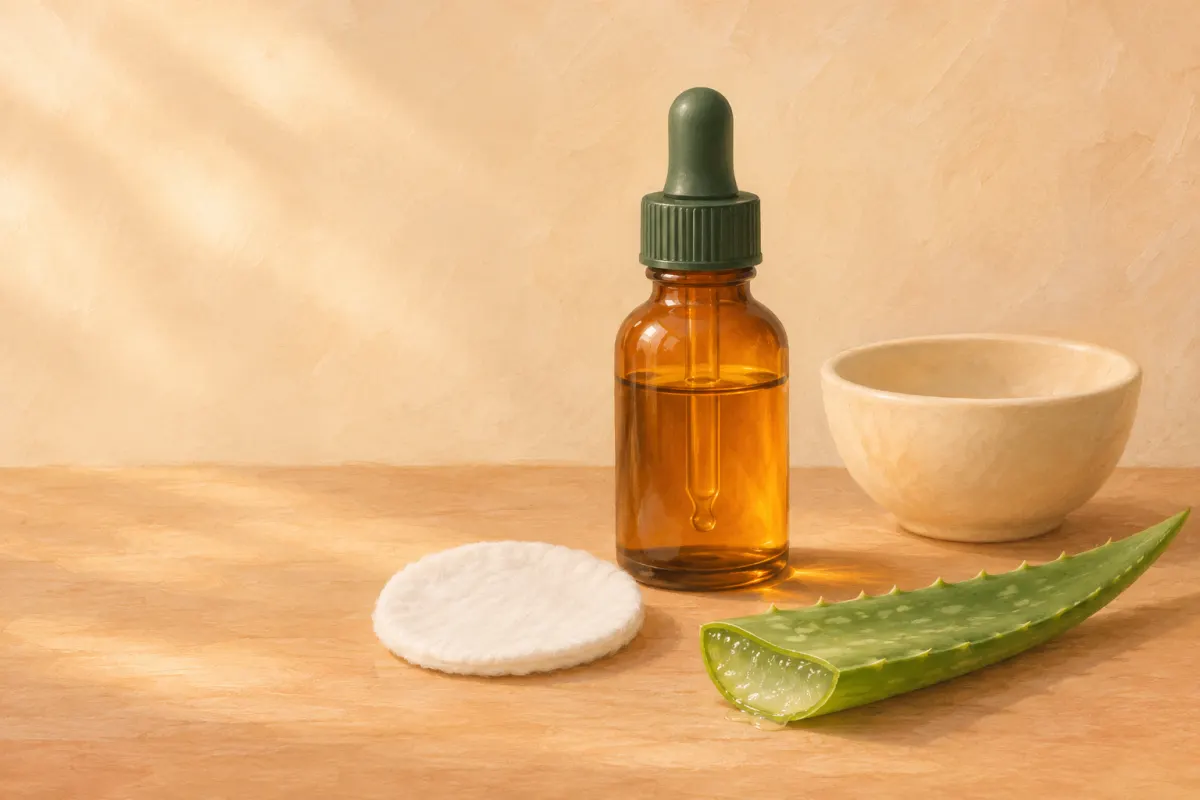
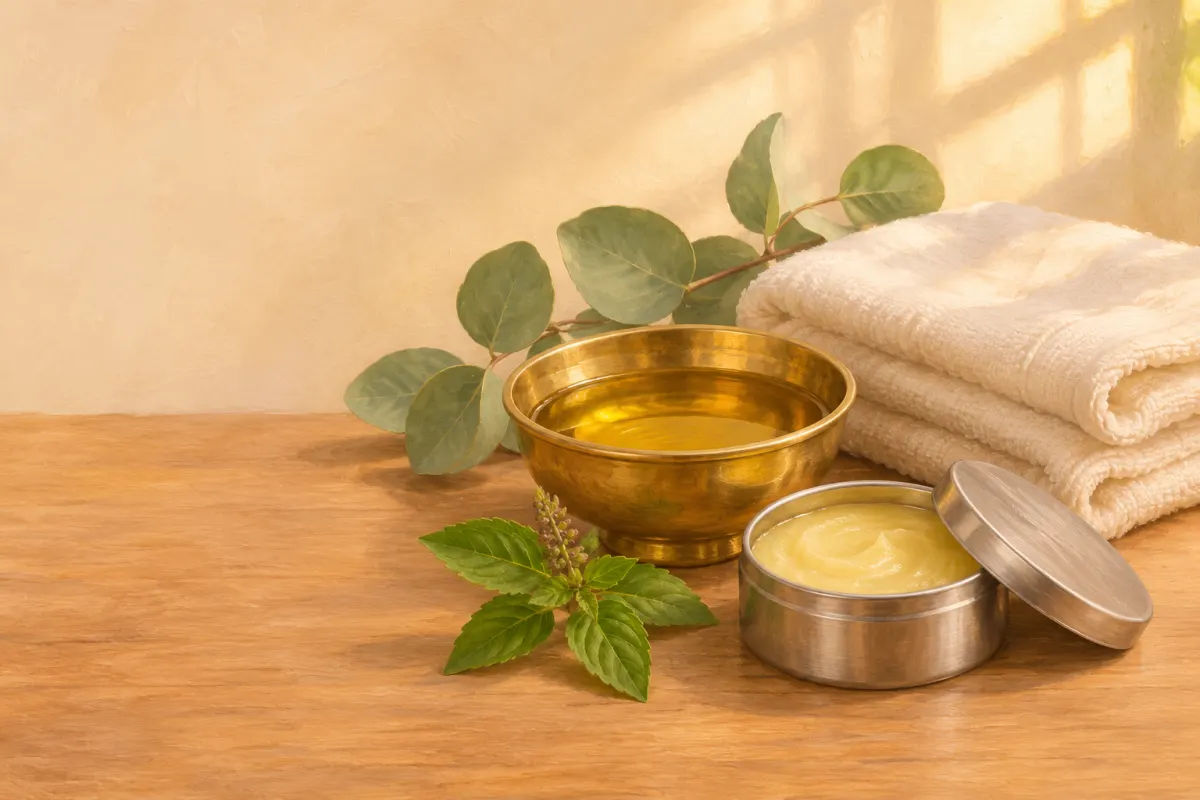
- Balm is thicker and suits a small area, such as a stiff neck or a tight spot on one shoulder. Many balms contain strong-smelling ingredients such as menthol or camphor, so keep them well out of children's reach.
- Plain coconut or til (sesame) oil also works for a home massage. In Ayurveda, warm oil massage (abhyanga) is part of daily care; that is tradition, not proof that it eases pain.
For a fresh sprain or strain, a rub is not the first step. A pharmacist may suggest paracetamol, or an ibuprofen gel or spray for swelling, if it suits you; tell them if you are pregnant, have asthma or take other medicines.
How do I massage a stiff muscle safely?
- Check the skin. Use a rub only on unbroken skin, never on a wound or irritated skin.
- Test it first. Try a little of a new rub on the inside of your elbow for a few days.
- Go gently. Warm a little between your palms and use slow strokes. Rarely, vigorous or deep massage has been linked with serious harm, such as a blood clot, nerve injury or a broken bone, some of it in older people.
- Do not rub a swollen calf. If one leg is swollen, painful or red, especially after a journey of more than 4 hours, do not massage it. See a doctor the same day, as it can be a blood clot.
- No rub on a fresh injury. For the first couple of days after a sprain or strain, avoid massage, heat and alcohol, which can add to swelling; use ice instead (see below).
- Keep it away from your eyes, nose and mouth, and wash your hands afterwards.
- Stop if your skin reacts. If it turns red, itchy or sore, wash the rub off with soap and water. If it burns, swells or blisters, see a doctor.
What can a pain balm be used for?
People often use a balm or massage oil for aches like these:
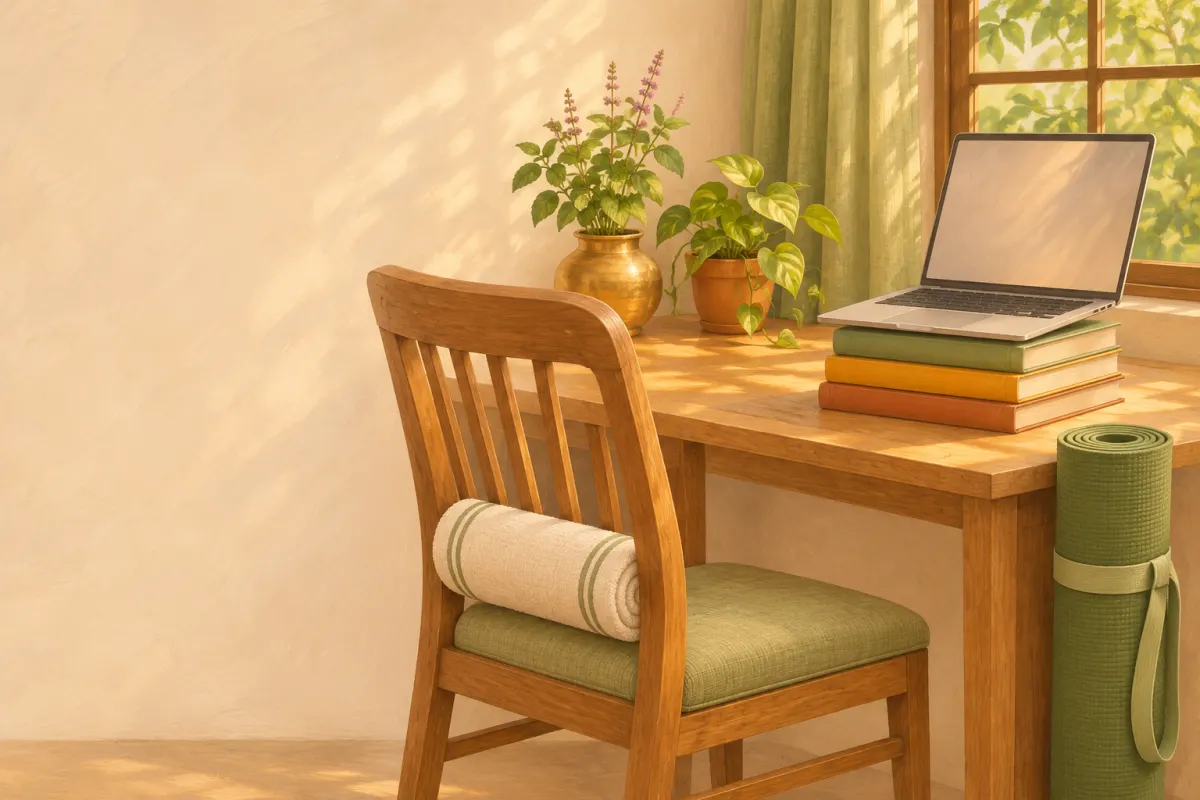
- a stiff neck or shoulders after long hours on a laptop or phone
- sore calves and thighs after a long walk, a trek or a day on your feet
- a stiff back and shoulders after a long drive, bus journey or flight
- sore muscles after a new workout or a game of badminton
Aches like these usually come from tension, overuse, or using a muscle too much, too soon. Rest the area, then move it gently. If you sit most of the day, stand up and stretch at least once an hour, and warm up before exercise.
Should I use heat or ice for muscle aches?
It depends on how fresh the ache is.
- A new injury, such as a twisted ankle or a pulled muscle: use cold, not heat, for the first 2 to 3 days. Hold an ice pack or a bag of frozen peas wrapped in a towel on the area for up to 20 minutes every 2 to 3 hours. Rest it, support it with a bandage and keep it raised.
- After the first few days, or for an ache from overuse or tension, warmth often feels more soothing, such as a warm shower or a hot-water bag in a cover.
Keep heat warm, not hot, and do not fall asleep on a hot-water bag. Never put heat or a tight bandage over a rub. A hot-water bag, heating pad or tight wrap on top of a warming rub raises the risk of serious skin burns.
When will an oil or balm not be enough?
A rub is meant for mild aches with a clear cause that ease within a few days.
Pain inside a joint is different. A joint that swells, stays stiff or will not move fully, such as a shoulder you cannot lift, needs a proper check. A doctor can find out why, and a physiotherapist can teach you exercises that help.
Some pain only feels like a muscle ache. Pain in the chest, back, shoulder or jaw can come from the heart, a swollen, painful calf can be a blood clot, and back pain with numbness in both legs can be serious. A rub will not help these. Check the lists below first.
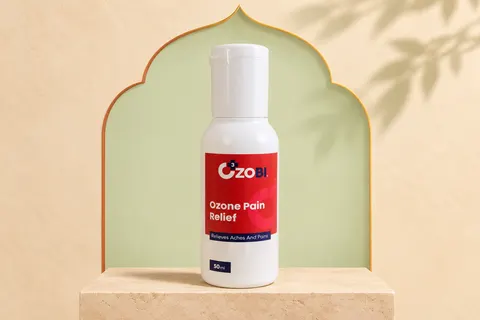
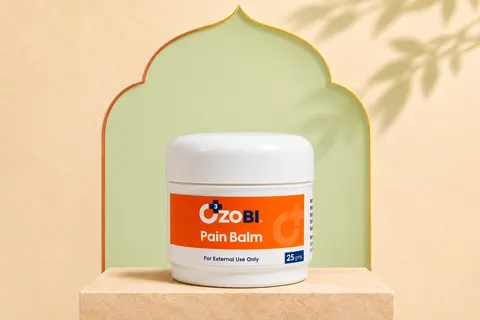
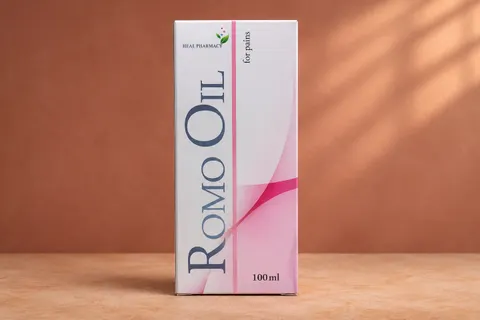
In the clinic's Shop
The clinic stocks these products for people who ask about this concern. They are not a treatment for any disease and do not replace a doctor's advice. Check with a doctor before you start one, especially if you take other medicines, are pregnant or breastfeeding, or have a long-term health condition.
Questions people ask
Can I use pain balm every day?
For a short spell of aches, use it as the pack or a pharmacist advises. If you find you need a rub every day for more than a few days, see a doctor to find the cause rather than using more. Stop any rub that makes your skin red, itchy or sore.
Is pain balm safe for children or during pregnancy?
Ask a doctor or pharmacist before using any rub on a child, or if you are pregnant or breastfeeding. Keep balm tins and oil bottles closed and out of children's reach, as rubs are for the skin only. If a child swallows some, call 112 at once and keep the pack to show the doctor.
Which is the best pain relief oil?
There is no single best oil. Choose one that feels pleasant and does not irritate your skin, and check the ingredients with the shop or a pharmacist, especially if you have allergies or take blood thinners. How you use it matters more: a little oil, gentle hands and regular breaks from sitting.
Can I use a massage oil on a painful knee?
A gentle rub may feel soothing on tight muscles around the knee, but it does not treat pain inside the joint. If a knee hurts on the stairs, swells or stays stiff, see a doctor, who can find the cause and suggest the right exercises. Do not rub a knee or calf that is hot, red or swollen.
This guide is general information, not medical advice, and it has not yet been reviewed by a doctor. It does not replace a consultation. If you are unwell, worried or unsure, please see a doctor.
Sources
- Massage Therapy: What You Need To Know | NCCIH
- Topical rubefacients for acute and chronic musculoskeletal pain in adults | Cochrane
- Muscle aches: MedlinePlus Medical Encyclopedia
- Sprains and strains - NHS
- FDA Drug Safety Communication: Rare cases of serious burns with the use of over-the-counter topical muscle and joint pain relievers (2012, archived copy)
- DVT (deep vein thrombosis) - NHS
- Back pain - NHS
- Heart attack: MedlinePlus Medical Encyclopedia