Ozonated oil for skin: what it is and what the research says
Short answer
Ozonated oil for skin is a plant oil, such as olive, sunflower or sesame oil, with ozone gas passed through it, sold as an oil or cream. Research on it is early, and studies in people are few and small. Use it as a moisturising oil, patch-test it first, and see a doctor for a burn, a deep cut, or any skin problem that is not getting better.
What is ozonated oil, and what is it good for?
Ozonated oil is made by passing ozone, a reactive form of oxygen, through a plant oil. The ozone reacts with the fats in the oil and is held there as compounds called ozonides, which release it slowly once the oil is on the skin. Olive and sunflower oil are the most common bases; sesame (til) oil is also used and suits the process well.
Ozonated oils are sold in many countries as cosmetics, and in some as medicines. Like other plant oils, they can soften dry skin and help it hold moisture, which is useful for rough elbows, heels and dry patches. Claims beyond that come mostly from lab work and small studies, and are not proven for home use.
What does the research actually show?
Most interest in ozonated oil comes from lab studies, where it acted against bacteria and other germs in a dish. That does not show that an oil clears an infection on a person's skin.
A 2022 review of ozone therapy for skin conditions, covering 17 studies, found the results promising but the studies weak, and said they did not show sound evidence of safe use. Studies also use different oils and strengths, so a result with one product may not apply to another.
So no ozonated oil has been shown to be a reliable answer for acne, eczema, psoriasis, fungal infections or wounds. If you have one of these, see a doctor, and do not stop a cream or medicine you were prescribed.
Is ozone good for the face?
It depends on which ozone you mean.
- Ozone gas, the kind that ozone machines give off, is harmful to breathe. Even low amounts can cause chest pain, coughing, breathlessness and throat irritation, and it can make asthma worse.
- Ozonated oil or cream holds the ozone inside the oil, so it is a different thing. There is little good research on it for the face, for glow or for fine lines.
Ozonated oils can irritate skin, and the face is where a rash shows most. Patch-test it first, and keep it off your lips and away from your eyes. If you want to try it on your face, use it as you would any moisturiser, not as a treatment for a skin problem.
Can I put ozonated oil on a cut or scrape?
There is no good evidence that ozonated oil helps everyday cuts and scrapes mend faster. Ozone has been tried on long-lasting wounds rather than everyday cuts, and the 2022 review mentioned above found weak methods across the 17 studies it covered. Most small cuts and grazes start to get better on their own within a few days with plain first aid:
- Wash your hands, then press on the cut with a clean cloth until the bleeding stops.
- Rinse it with clean drinking water (boiled and cooled, filtered or bottled), and pat it dry.
- Cover it with a plaster or clean dressing, keep it dry, and change it when needed.
- Take the dressing off after a few days, once the wound has closed.
A burn, or a deep or dirty wound, needs a doctor rather than a home remedy.
Which ozonated oil is best?
There is no agreed standard, so no one can honestly name the best ozonated oil. Products differ in the base oil, how long it was ozonated and how much ozone it holds. A few practical checks help:
- A full label: the base oil, all other ingredients, the maker's name and address, and a use-by date.
- Sensible claims. Be wary of any product that promises to clear infections, close wounds or end a skin problem for good.
- Careful storage. Heat, light and moisture break ozonides down, so keep the bottle closed, cool and out of the sun.
Ozonated oils normally smell strong, a little like rancid fat. If a new product causes burning or a rash, stop using it, whatever the label says.
Are there side effects of ozonated oil?
A 2022 systematic review found no major skin risks in the nine studies it included, though the studies were small, it called for larger trials, and some of its authors had financial ties to a company. Another review notes that strong ozonated oils used often can cause irritation, rashes and flaking. If you are allergic to sesame or another oil, check which base oil a product uses before you try it.
Skin doctors suggest this test before you use any new skin product:
- apply a small, coin-sized amount to the inside of your arm or the bend of your elbow, twice a day for 7 to 10 days
- if there is no redness, itching or swelling, you can go ahead and use it
- if you react, wash it off gently, stop using it, and use a cool compress or petroleum jelly to calm the skin
If you have eczema or very sensitive skin, ask a doctor first.
In the clinic's Shop
The clinic stocks these products for people who ask about this concern. They are not a treatment for any disease and do not replace a doctor's advice. Check with a doctor before you start one, especially if you take other medicines, are pregnant or breastfeeding, or have a long-term health condition.
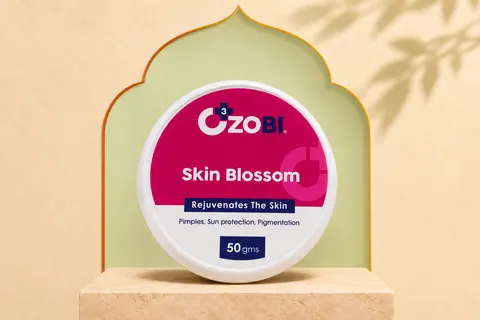
Skin Blossom 50 g
A moisturising cream with ozonated oil for face and body, from OzoBI.
View in Shop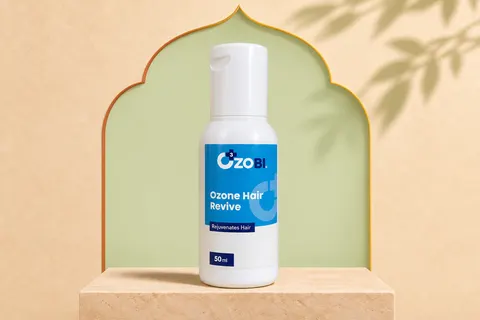
Hair Revive Oil 50 mL
An ozonated hair oil for conditioning the hair and scalp, from OzoBI. Also sold in 100 mL.
View in Shop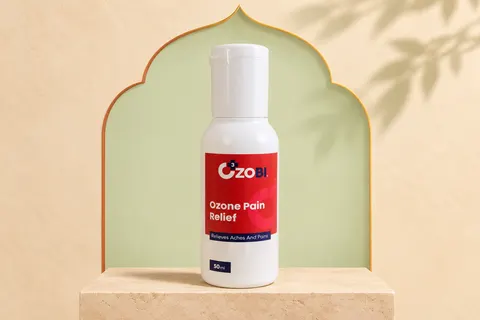
Pain Relief Oil 50 mL
An ozonated massage oil, from OzoBI. Also sold in 100 mL.
View in ShopQuestions people ask
Is ozonated oil the same as ozone therapy?
No. Ozone therapy is a broad term for clinic treatments that use ozone gas or ozonated water. Ozonated oil is an oil you put on your skin, with the ozone held inside it. Reviews say the studies of ozone therapy for skin are small and weak, so ask a doctor before trying it.
Can I use ozonated oil on my hair and scalp?
Very little research has looked at ozonated oil for hair, so think of it like any other hair oil that may leave a dry scalp feeling softer. Patch-test it first and keep it out of your eyes. If your scalp is itchy and flaking, or you are losing more hair than usual, see a doctor.
Can I use ozonated oil for a massage?
Yes. Like other plant oils, it helps your hands glide and keeps the skin soft, but there is no good evidence that the ozone adds anything for aching muscles. Avoid broken or irritated skin, and see a doctor for pain that is severe, comes with swelling or does not ease.
Can I use ozonated oil for oil pulling or on my gums?
Only put a product in your mouth if its label says it is made for that. Oils made for skin and hair are not meant to be swallowed or swished. For bleeding gums, mouth sores or tooth pain, see a dentist.
Is ozonated oil safe during pregnancy or for children?
There is very little safety research on ozonated oils, and their long-term effects on skin are not known. If you are pregnant or breastfeeding, or want to use it on a baby or child, check with a doctor first, and keep it away from a child's eyes and mouth.
This guide is general information, not medical advice, and it has not yet been reviewed by a doctor. It does not replace a consultation. If you are unwell, worried or unsure, please see a doctor.
Sources
- Ozonated Oils as Antimicrobial Systems in Topical Applications. Their Characterization, Current Applications, and Advances in Improved Delivery Techniques - Molecules (2020)
- Risks of ozonated oil and ozonated water on human skin: A systematic review - International Wound Journal (2022)
- Ozone Therapy for Dermatological Conditions: A Systematic Review - Journal of Clinical and Aesthetic Dermatology (2022)
- How to test skin care products - American Academy of Dermatology
- Ozone Generators that are Sold as Air Cleaners - US EPA
- Cuts and grazes - NHS
- Rabies - World Health Organization fact sheet